

























































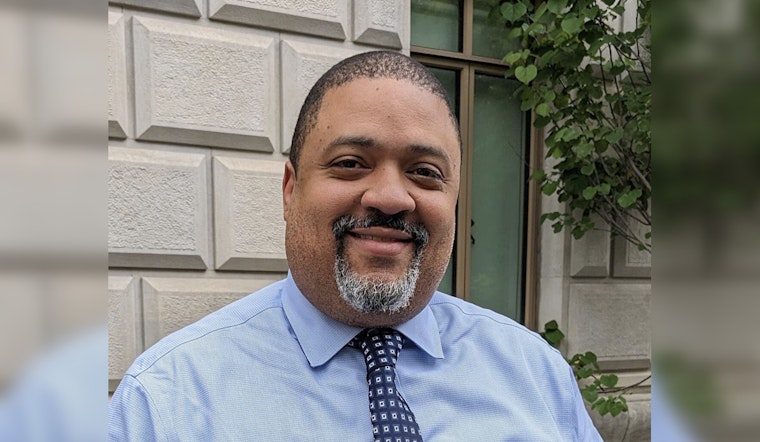
In what he is casting as a warning to landlords and developers, Manhattan District Attorney Alvin Bragg says the office’s Housing and Tenant Protection Unit has brought 10 criminal cases against 33 defendants, including 18 people and 15 corporations, as part of a stepped up effort to hold players in the housing market criminally accountable. The unit, launched in 2022 to investigate patterned tenant harassment and real estate fraud, has opened a string of long running probes in recent years. Bragg highlighted the update in a social media post from the district attorney’s account on Monday.
What the unit has pursued so far
According to the Manhattan DA’s office, the Housing and Tenant Protection Unit operates within the office’s financial fraud work and has focused on long term investigations into deed theft, rental scams and abuse of housing subsidy programs, work that has already produced multiple indictments and ongoing cases. The same materials note an October indictment accusing six developers of allegedly misusing the 421-a tax exemption program.
One high profile example came in September, when prosecutors indicted developer Meyer Chetrit and affiliated companies on felony tenant harassment charges tied to two elderly tenants in Chelsea, alleging a prolonged lack of heat, leaks and unsafe conditions at 117-119 West 26th Street. The Real Deal reported that the indictment describes a five year campaign to make the building untenable so it could be sold. That case has been one of the unit’s most visible prosecutions to date.
Legislative push for tougher punishments
Bragg has pushed state lawmakers to give prosecutors more tools by backing state bill S8559, introduced with state Sen. Brian Kavanagh and Assemblymember Micah Lasher. An op-ed and coverage in City & State lay out the proposal, which would create an aggravated harassment Class D felony aimed at conduct that spans multiple properties or repeat offending by the same landlords. Supporters say the change would let penalties reflect the scale of alleged wrongdoing rather than treating a single building episode the same as a multi property campaign.
Under current law, harassment of a rent regulated tenant in the first degree is prosecuted as a Class E felony with a statutory maximum of up to four years. New York Penal Law spells out the elements and penalties. Backers of S8559 say that upgrading certain patterned harassment to a Class D charge would allow prosecutors to seek longer sentences in particularly egregious cases, and reporting on the bill rollout indicated that the proposed top term would rise to seven years. The Real Deal covered the bill and the potential penalty increase.
Legal implications
Prosecutors note that statutory changes are only one piece of a complex puzzle: charging decisions, investigatory resources and evidentiary hurdles still determine whether cases ever reach trial. As tenant advocates welcome tougher penalties but stress enforcement capacity and outreach so victims know how to report abuse, defense attorneys caution that higher maximums can alter plea dynamics and that prosecutors must still prove intent and a pattern of conduct to sustain felony charges.
Bragg’s post and the newly public cases reinforce the DA’s message that serious tenant harassment will be pursued as a criminal matter. Tenants who believe they are being targeted can contact the Housing and Tenant Protection Unit by calling 212-335-3300 or emailing [email protected], local reporting says. News 12 has more on recent indictments and how to reach the unit.





.jpg)