

























































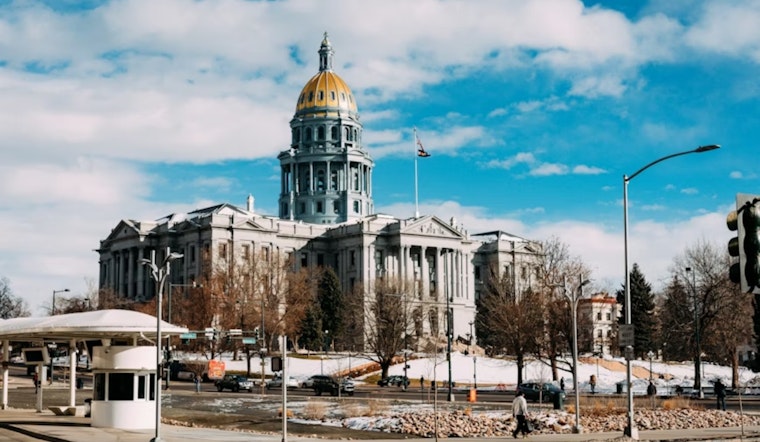
Colorado lawmakers are gearing up for a high-stakes fight over whether selling sex between consenting adults should still be a crime. Earlier this week, a group of Democratic legislators dropped a sweeping proposal that would wipe out criminal penalties for adult sex work across the state and relabel it in law as "commercial sexual activity." If it passes, the overhaul is written to kick in on July 1, 2026. Backers pitch the plan as straight-up harm reduction meant to keep sex workers safer, while opponents warn it could open more doors to trafficking and exploitation.
Senate Bill 26-097, filed earlier this week, is sponsored in the Senate by Sen. Nick Hinrichsen and Sen. Lisa Cutter, with Reps. Lorena García and Rebekah Stewart are carrying it in the House, according to The Colorado Sun. The Sun reports the measure has been routed to the Senate Judiciary Committee for its first hearing.
The official bill summary on the Colorado General Assembly website explains that the measure would decriminalize "commercial sexual activity" among consenting adults across Colorado and would override any local ordinances that try to keep it illegal. The draft strikes state crimes including prostitution, soliciting for prostitution, patronizing a prostitute and keeping a place of prostitution.
What’s in the bill
The proposal goes beyond simply erasing a few crimes from the books. It would scrub prostitution from the state's nuisance laws, repeal a petty offense that bans "making a display" to engage in prostitution and stop cities from denying business licenses based on past soliciting convictions, The Denver Gazette reports. The bill also blocks local governments from banning escort-service advertising, a change supporters say helps sex workers screen clients more safely and critics cast as a major hit to local control.
Supporters say it’s about safety
Lead sponsor Sen. Nick Hinrichsen told The Colorado Sun that he signed on after hearing from a constituent who works in the sex trade and argued that criminal penalties for buyers push the work into riskier situations. According to the Sun, civil-rights groups including the ACLU of Colorado have lined up behind the bill, arguing that decriminalization would make it easier for sex workers to seek medical care and report crimes without fear of being arrested themselves.
Opponents warn of trafficking risks
Critics counter that the picture on the ground is far darker than the bill suggests. They point to research that finds many people who sell sex face severe physical and psychological harm and argue that prostitution is closely linked to human trafficking, with some studies and statistics cited to show that trafficked individuals are often very young when they are first exploited. The Denver Gazette highlights those concerns and notes that Maine's 2023 partial decriminalization took a different route, scrapping the crime of engaging in prostitution while toughening penalties for soliciting a child.
Legal implications and timeline
Despite the broad decriminalization language, the bill keeps criminal penalties in place for pimping and certain types of pandering, while swapping out the word "prostitution" for "commercial sexual activity" in a range of other statutes, according to the text posted by the Colorado General Assembly. The effective date is written as July 1, 2026. Under Colorado's sentencing laws, a class 3 felony such as pimping carries a presumptive prison range that can run from roughly four to 12 years, according to the sentencing chart outlined by Law.justia.
What happens next
For now, SB26-097 sits in the Senate Judiciary Committee, where it will need a majority vote to advance. From there it has to clear the full Senate, then the House, before it can land on the governor's desk. Legislative trackers show the bill was formally introduced on Feb. 11 and is still in committee, according to LegiScan. Expect lengthy testimony, packed hearing rooms and a sharp partisan divide as lawmakers dig into the public safety and civil rights trade-offs in the coming weeks.





