

























































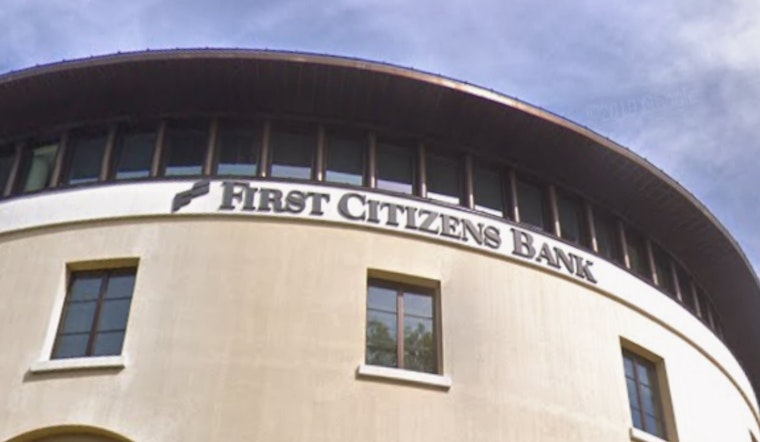
First Citizens BancShares is quietly lining up potential deals that could bulk up its national footprint and push it past a key regulatory milestone. The Raleigh-based lender, which scooped up large pieces of Silicon Valley Bank after that collapse, has asked advisers to map out transactions that might lift its assets above $250 billion. One name in the mix: Cleveland-based KeyCorp. If any approach moved beyond early chatter, it could redraw regional banking maps and invite intense scrutiny from regulators and investors.
Deals On The Table
As reported by Bloomberg, First Citizens asked advisers to draw up a list of potential transactions and has considered pursuing a deal for KeyCorp, according to people familiar with the matter. Bloomberg reports that the bank is specifically looking at targets that would help it quickly vault over the $250 billion asset threshold. For now, the outreach appears exploratory rather than the start of a formal bid, more thought experiment than live takeover offer.
Why First Citizens Wants Scale
Executives have framed the push for size as a way to absorb rising compliance and regulatory costs and to speed up repayment of a large FDIC purchase-money note tied to the SVB deal. American Banker reported that First Citizens has been considering loan portfolio sales and other balance-sheet moves to raise liquidity and make additional payments on the roughly $35 billion obligation stemming from its 2023 acquisition of SVB assets. The same coverage noted that First Citizens’ asset base was roughly $229.7 billion at year-end 2025, which helps explain why even a relatively modest acquisition could be enough to vault the bank over the $250 billion line.
KeyCorp And The Cleveland Angle
KeyCorp is headquartered in downtown Cleveland, and its recent SEC filings show total assets in the high $180 billions, large enough to materially change any suitor’s footprint. Key management has signaled a reluctance to buy other depositories. CEO Chris Gorman has said the bank has “no interest in purchasing a depository,” a stance documented in recent coverage of activist pressure on KeyCorp. That anti-M&A posture could complicate any takeover approach, even if outside advisers are busy sketching out what a combination might look like on paper.
Regulatory Stakes At $250 Billion
Crossing the $250 billion threshold would subject a combined company to tougher supervisory rules, including expanded stress testing, living will requirements and heightened Federal Reserve oversight, and would change the clearance path for large acquisitions, according to a Congressional Research Service explainer. The CRS analysis describes how enhanced prudential regulation and additional notification and review powers attach at and above that size, giving regulators tools to scrutinize or even limit deals that raise systemic concerns. In practical terms, any transaction that pushes a buyer across that line would face a very different review process than a smaller regional-bank merger.
What To Watch Next
Talk about potential targets does not mean an agreement is imminent, but advisers, boards and regulators will be watching balance sheets, capital plans and disclosure schedules in the coming weeks. Market participants will also track whether First Citizens accelerates asset sales, completes planned branch or portfolio moves, or formally approaches KeyCorp’s board, steps that would shift the story from rumor mill to real M&A. For now, the outreach appears to be at the advisory stage, and neither company has announced negotiations.





