

























































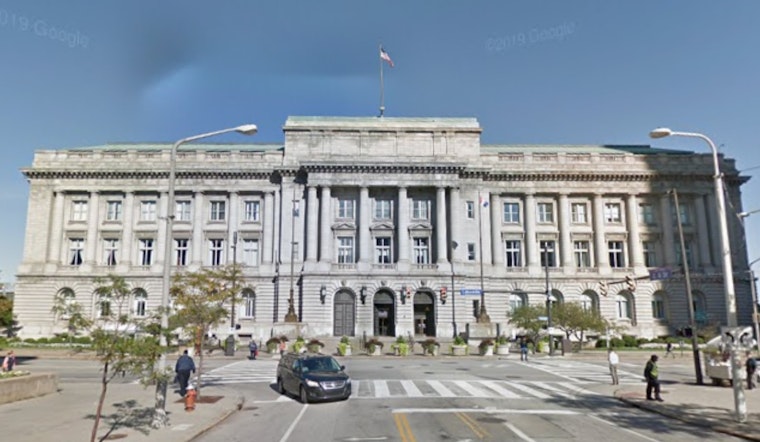
Cleveland City Hall kept a $1 million pot of renter relief money parked in bureaucracy for more than a year, slowing down outreach and emergency help that advocates hoped would keep people out of eviction court. Elected officials now say the 387-day wait from council approval to a signed contract is a textbook case of how the city's contracting system can stall even relatively small, local aid.
According to Cleveland.com, the $1,000,000 grant, pulled from American Rescue Plan Act dollars, won council approval but then sat in the Community Development Department and legal review for roughly 387 days. Until that contract was finalized, United Way of Greater Cleveland and its partners were stuck in neutral and unable to launch the three-year tenant-support pilot council had already signed off on.
Council passed the ordinance on Jan. 28, 2025, according to the Cleveland City Council. Coverage at the time reported that United Way would act as the fiscal agent and subcontract with groups such as Legal Aid and the Cleveland Mediation Center. The pilot was set up to expand United Way's 211 intake, boost tenant education and organizing, and provide emergency housing assistance over three years, per The Land.
Where the holdup happened
People familiar with City Hall and previous reporting say the snag was not one missing sign-off but a slow, step-by-step contracting process that tends to push even small agreements into long lines. The administration has promoted a slate of changes, from simplifying invoicing to updating payment systems, all aimed at making it less painful for nonprofits to work with the city, according to Ideastream Public Media.
Council presses for reform
Council members on Tuesday vented their frustration, arguing that the delay robbed residents of timely help. "It has been 387 days since that’s been passed by this body and those funds have still not been dispersed," Councilman Kris Harsh told Cleveland.com. Councilman Brian Kazy floated the idea of hiring a chief contracting officer, while Councilman Kevin Conwell said the deeper issue "is culture and starts at the top." Councilwoman Stephanie Howse-Jones called the delay "one of the banes of my existence," and a United Way spokesperson told the outlet, "we received the contract today and look forward to beginning this important work."
City officials say they are now working to move approvals faster and get the tenant program off the ground. Tenant advocates counter that the year-long pause cost them crucial months of outreach at a time when rents and eviction filings remain high. If the pilot rolls out as originally planned, the funding is expected to bolster 211 intake and give partner organizations short-term emergency aid and organizing capacity over the three-year period, which advocates argue could help the city avoid future costs tied to homelessness and court action, according to The Land.





