

























































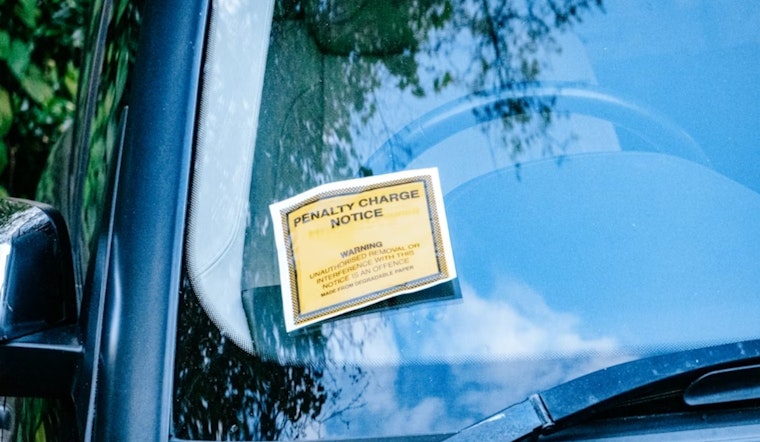
Cleveland drivers who thought they had finally paid off their parking tickets may have had a surprise hitch in the process, thanks to a long-running workaround inside the city’s Clerk of Courts office under Earle B. Turner. An investigation, first reported by Signal Cleveland and summarized by Axios, found that staff quietly altered ticket payments for years, shifting small amounts between cases in ways that sometimes kept people from renewing their vehicle registrations.
According to former employees and internal records, clerks removed 1 dollar from some credit card transactions and applied it to different tickets, often older violations or traffic camera fines. That left the original ticket just short of paid in full, even though drivers believed they had cleared what they owed, and reportedly cost some people hundreds of dollars over time.
Turner declined to speak directly about the practice. His spokesman later described the dollar moves as a “workaround” for software issues, and the office says it stopped doing the adjustments last fall after consulting with the city’s Law Department.
How DETER holds trap drivers
The dollar shifting was especially painful for people already caught in DETER status, short for Drivers with Excessive Tickets Excluded from Registration. According to reporting on how parking ticket payments were handled, staff watched online and phone payments tied to DETER registration holds and sometimes deliberately pulled 1 dollar from payments that otherwise would have cleared a registration block.
That dollar was then posted to another ticket, often an older violation or a traffic camera judgment, which meant the driver’s original DETER ticket still showed a balance. People who thought they were in the clear would find out at the deputy registrar that they were still blocked and had to go back to the clerk’s office or accept bundled payment plans that swept in additional fines.
Drivers land in DETER status when they rack up multiple unpaid parking judgments. The Ohio Bureau of Motor Vehicles applies a registration block and, as the Ohio BMV explains, that block is lifted only after the judgments are paid and the BMV receives formal releases from the violation bureaus involved.
Turner’s office calls it a “workaround”
In a statement to Signal Cleveland, spokesman Obie Shelton denied that the office did anything improper and framed the dollar adjustments as a necessary patch for a flawed ticketing system. He said the goal was to stop people from clearing DETER holds by paying just one ticket online when they still had other qualifying judgments.
Shelton said the office ended the 1 dollar shifting practice last fall, after a meeting with the city’s Law Department. Trellint, formerly known as Conduent and the vendor behind the ticketing software, told reporters that its system already supports DETER tracking and that it simply followed workflow instructions from the clerk’s office.
Internal memos raised red flags years ago
Axios reports that Signal Cleveland obtained internal memoranda going back to 1999 that directed clerks to “collect all they owe” before releasing a registration hold. Axios also highlighted a 2013 internal email telling managers to push drivers to pay everything, “unless the customer tells us that they know the law.”
Those documents, combined with former employees’ accounts, suggest that the dollar shifting and pressure tactics continued for years despite earlier internal guidance that hinted at legal and ethical concerns.
What this means if you have Cleveland tickets
The records and testimony indicate that some motorists could not renew registrations when they should have been eligible, and that others were charged more than the minimum required to clear their holds. Critics say the practice blurred the line between legitimate judgments and older or photo enforcement fines and helped create confusion at deputy registrar counters.
Drivers who suspect they were caught up in this should ask the Clerk of Courts office for a complete payment history on their tickets, then double check their DETER status with the Ohio BMV. If the records show that payments were shifted or misapplied, you can request that the clerk’s office correct the records or issue a refund where appropriate.





