

























































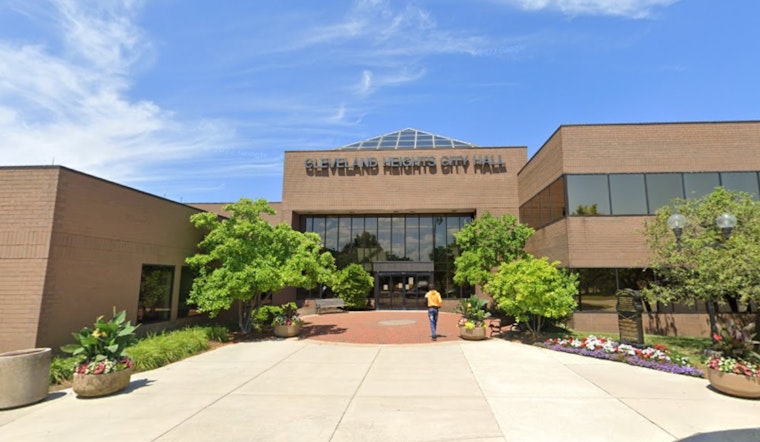
Cleveland Heights City Council is racing to get free legal help in front of immigrant residents, signing off on a short-term series of virtual legal clinics while a longer, more permanent program is still in the works. The plan is meant to cool anxiety in neighborhoods after a high-profile immigration enforcement action, with the clinics coordinated alongside local bar groups and community advocates.
What Council Backed
According to Cleveland 19, Councilwoman Jessica Cohen partnered with the Cleveland Metropolitan Bar Association to launch free virtual legal clinics for immigrant residents. Cohen told council that the association has lined up a bilingual immigration attorney who has agreed to host at least three clinics specifically for the Cleveland Heights community.
Grassroots Push and A Two-Year Pilot
The clinics are one piece of a broader agenda pushed by Cleveland Heights for Immigrant Rights, a grassroots coalition that formed after a raid at a local taqueria and drafted an eight-point plan centered on access to legal counsel. As laid out by Cleveland Heights for Immigrant Rights, organizers are calling for a two-year “universal representation” pilot that would contract with a lead partner to provide both direct legal representation and legal orientation sessions.
The Raid That Sparked Organizing
The coalition, and many residents, mobilized after an ICE operation at Cilantro Taqueria on Coventry and Euclid Heights Boulevard. In the aftermath, the city issued a public statement, community outlets covered the fallout, and neighbors turned out in support of the restaurant’s workers. The episode, reported by the Heights Observer, helped sharpen organizers’ focus on building local legal support for immigrants.
What Council Will Consider Next
At its most recent meeting, council backed the short-term clinics and agreed to take up the broader immigrant-rights proposal at a Tuesday evening meeting, Cleveland 19 reports. Councilwoman Gail Larson told colleagues that the city has heard calls to consider dedicating roughly $200,000 in taxpayer funds for immigrant legal aid, a pot of money advocates are still pressing for.
Why Clinics Could Matter
Advocates point to national data showing that having a lawyer can be a make-or-break factor in immigration cases. A major study from the American Immigration Council found that detained immigrants with legal representation were far more likely both to apply for relief and to obtain it. Closer to home, organizers say the proposed pilot would aim to support roughly 25 people over two years, per reporting by Spectrum News, while the city works on building out partnerships with pro bono and nonprofit providers.
If council signs off, the Cleveland Metropolitan Bar Association-backed clinics would give residents a quicker way to get legal advice while advocates continue to push for the two-year pilot and public funding. Residents can find council meeting materials and agendas on the City of Cleveland Heights site.





