

























































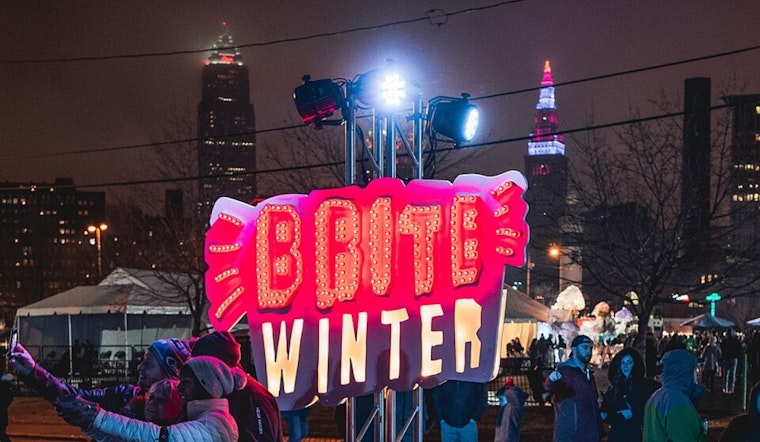
Brite Winter, Cleveland’s long-running winter music and arts festival, is rolling into its 17th season with a much tighter belt. Organizers say sharply reduced corporate sponsorships have pushed them to lean harder on ticket sales, individual donations and a small crew of unpaid volunteers. Even so, next Saturday the festival is still set to light bonfires, run multiple stages and pack neighborhood venues across the Waterloo Arts District.
According to Crain's Cleveland Business, sponsorship income for this year’s event is roughly $30,000, down from about $60,000 to $70,000 the year before. That reporting notes sponsorship dollars once topped $120,000 in the late 2010s and that sponsorships historically accounted for roughly a third of the one-day festival budget. Organizers also told Crain’s that the operation largely runs on fewer than a dozen unpaid volunteers, according to recent filings.
What to expect at Waterloo
The festival is scheduled for next Saturday and plans to spread outdoor stages, indoor shows and art installations throughout the neighborhood. According to Brite Winter, tickets range from pay-what-you-can options up to a $45 hat package, and volunteers handle much of the on-the-ground work. Axios Cleveland reported that organizers selected more than 35 bands for this year’s lineup, and local coverage from 2016 put the festival’s peak crowds in the mid- to high-teens of thousands, per WEWS.
Why sponsors are pulling back
Organizers say the slide in sponsor dollars stings because those funds have traditionally covered artist fees, production costs and other big-ticket items that come due long before the gates open. In an interview with Crain's Cleveland Business, they linked the shortfall to weaker alcohol sales at festivals and shifting corporate marketing priorities. The reporting also notes that longtime backers have trimmed support in recent years, leaving smaller partners and box-office receipts to shoulder more of the load.
How organizers plan to close the gap
To steady the books, organizers are relying on a mix of paid tickets, donor appeals and sponsorship packages. According to Brite Winter, sponsorship tiers run from a $45,000 presenting package down to $1,000 community spots, and the site highlights the Fluri Fund and other donation options for supporters who want to chip in. Those efforts sit alongside last-minute programming tweaks and deeper partnerships with neighborhood venues, moves aimed at keeping the day busy and creative without dramatically driving up overhead.
Venues and neighborhood stakes
The festival’s shift into Waterloo carries real weight for nearby businesses that count on the spillover from thousands of attendees. The Beachland Ballroom, owned by Cindy Barber and Mark Leddy, is listed as a partner and will host late-day programming, and local nonprofit Cleveland Rocks has been working with venues to build more sustainable support for the music scene. Beachland’s site lays out its Collinwood address and long-running history, and Cleveland Rocks documents its ongoing efforts to preserve and promote the region’s independent music infrastructure.
Organizers say the next few years will test whether Brite Winter can recalibrate its funding model while hanging on to the artist-friendly spirit that turned it into a city staple. For now, the festival is openly asking attendees, neighbors and small businesses to buy a ticket, volunteer or donate to help keep the lights on in what is proving to be a tough year for grassroots cultural events.





.jpg)