

























































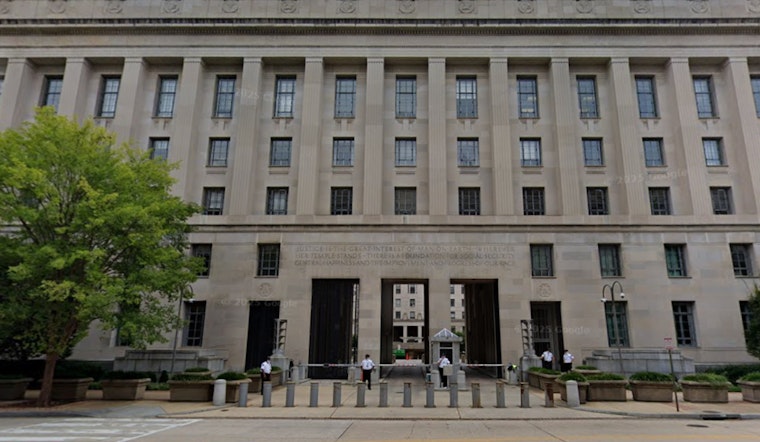
Criminal defense lawyers and public defenders say the Justice Department has spent the past year leaning into novel, sometimes expansive federal charging theories, and they insist judges and juries are starting to push back. Looking to document what they describe as irregular prosecutions, the National Association of Criminal Defense Lawyers has launched a new Criminal Case Tracker that catalogs selected federal cases and their filings. The idea is to give defenders, judges, and the public a clearer window into whether prosecutorial theories are shifting over the long term.
New tool from the defense bar
The Criminal Case Tracker is a curated, searchable database that follows selected federal prosecutions from initial charging through appeal. It includes an interactive map, a statute search and links to filings and judicial decisions, according to NACDL. NACDL says the tracker is meant to help defense counsel quickly find comparable cases and see whether aggressive legal theories are gaining traction in different courts.
Why defense lawyers built it
“We created the Case Tracker because you cannot defend against an enemy you cannot see,” said Steven Salky, who helped organize the project, as reported by NPR. NPR notes that the database follows several high-profile prosecutions that defense lawyers describe as examples of irregular charging practices and possible political retribution.
Acquittals and grand-jury rebukes
Some of the cases highlighted in the tracker have ended in acquittal or in grand juries refusing to return felony indictments, outcomes that defense attorneys point to as evidence courts are resisting novel legal theories. One example: a Washington jury acquitted Sean Charles Dunn after his trial over a sandwich-throwing incident, a verdict that followed grand jurors declining to indict on a felony charge, according to AP.
Another swift jury rebuke
In mid-January, a D.C. jury deliberated for roughly 35 minutes before acquitting Jacob Samuel Winkler on a felony charge for allegedly aiming a laser at Marine One, another case that defense lawyers cite as proof that aggressive prosecutions do not always stick in court, per NPR. Those rapid-fire verdicts helped fuel calls among defense groups for a centralized way to track enforcement trends.
A contentious backdrop
The tracker went live as Attorney General Pam Bondi faced intense questioning at a House Judiciary oversight hearing last Wednesday, where lawmakers pressed the department on its priorities and high-profile document releases. The committee’s hearing materials are available from the House Judiciary Committee. News coverage of the hearing described partisan clashes as Bondi defended efforts to refocus the department on violent crime while rejecting claims of political targeting, according to The Washington Post.
Legal implications
Defense attorneys say the tracker will help them spot patterns where prosecutors stretch statutes or pursue rarely used theories, and they argue that judges’ rulings plus grand-jury decisions will provide the real test of which theories survive courtroom scrutiny. NACDL emphasizes the tracker’s practical purpose: pulling together primary filings, rulings and outcomes so lawyers can make faster, better informed litigation decisions, according to NACDL.
For now, the database adds one more data point to a broader debate about prosecutorial discretion, political influence and the outer limits of federal criminal enforcement. The tracker will be updated as cases develop, and defense lawyers say it will be most useful if courts keep testing, and in some instances rejecting, the Justice Department’s more expansive approaches.





