

























































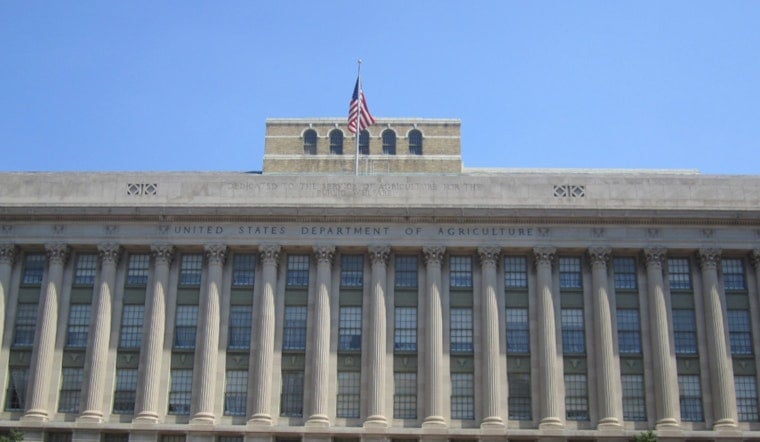
FSIS employees in the Washington, D.C., area have been told they are on the clock. By June 30, they must either accept reassignment to one of USDA’s new hubs or take a separation offer, with the department’s timeline putting those choices into effect on Sept. 30. The notice labels refusals as involuntary separations and warns that staff who do not report to their new duty stations could be removed from their positions. For many D.C. food-safety workers, that tight deadline stuffs cross-country logistics, family decisions and career planning into an uncomfortably small window.
Part of a broader restructuring
The deadline is one piece of a wider reorganization Secretary Brooke Rollins unveiled last year. The plan shifts a substantial share of USDA’s National Capital Region staff into new regional hubs in Raleigh, Kansas City, Indianapolis, Fort Collins and Salt Lake City. It would also place many FSIS functions in what USDA views as mission-critical locations, including sites in Iowa and Georgia, as reported by Agri‑Pulse.
Internal memo, lump-sum move rules and union alarms
An internal agency message reviewed by Federal News Network set the June 30 decision date and stated that employees who turn down reassignment will be treated as involuntarily separated as of Sept. 30, with possible eligibility for severance pay. The department also issued a May 29 memo authorizing agency heads to use a “lump-sum” relocation reimbursement, meaning workers would receive a flat moving payment instead of having their actual costs reimbursed.
Union officials say that tweak could leave many employees personally covering a big chunk of their moving bills. Internal union polling cited in the reporting found large shares of D.C. staff do not plan to relocate, and an AFGE local estimated that the lump-sum model could shift roughly $9,000 to $14,000 in moving costs onto some workers.
Rollins defends the plan
Speaking at a House Agriculture Committee hearing, Secretary Rollins described the relocations as a “massive value add.” She argued that moving core research functions closer to major universities would improve recruitment and better align USDA’s research with the communities it serves. Rollins acknowledged that the changes will disrupt some staff, but said the moves would ultimately represent a better use of taxpayer dollars, according to Federal News Network.
Historical context and past fallout
Critics are pointing back to the 2019 relocation of the Economic Research Service and the National Institute of Food and Agriculture to Kansas City as a warning sign. That move triggered steep attrition and hurt output, according to a Congressional Research Service review of the fallout from past relocations. Reporting by Government Executive has documented how lawmakers and union leaders are again raising alarms as USDA moves ahead with this latest hub strategy.
What this could mean legally
Under standard federal procedures, many adverse actions, including removals and suspensions over 14 days, can be appealed to the Merit Systems Protection Board, which spells out what is appealable and the deadlines for filing. MSPB guidance explains the usual appeal routes and timelines. However, the agency messaging described above tells affected employees they will not be allowed to appeal reassignments to the Board, a procedural twist that could invite legal challenges or questions about how the moves square with civil-service rules.
Next steps
The June 30 cutoff leaves FSIS staff only weeks to decide whether to relocate, accept separation or try to find another path as USDA presses forward with its reorganization. Unions and some members of Congress say they plan to keep pushing for more information and stronger protections for the workers caught in the middle of the department’s latest reshuffle.




