

























































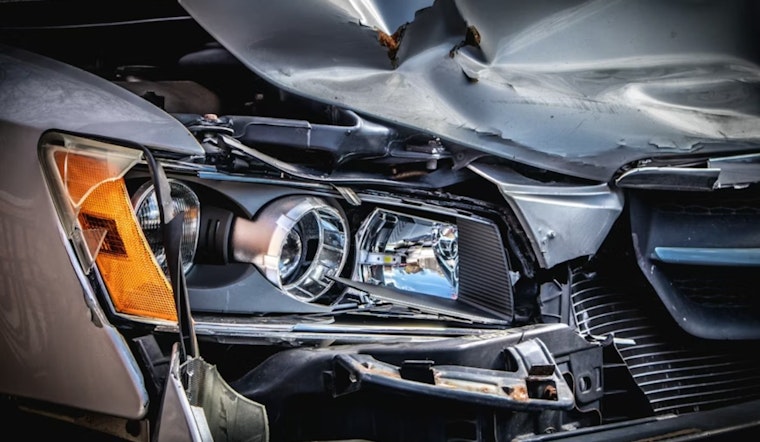
Dallas drivers are facing a grim new distinction: among America’s largest cities, no one has a higher rate of deadly crashes. A new analysis finds the city averaged roughly 14 fatal motor-vehicle crashes per 100,000 residents between 2014 and 2023, and city records show 165 fatal crashes last year.
Study Finds Dallas Worst Among Large Cities
A joint report from St. Louis personal-injury firm Drafahl Law Firm and San Diego data outfit 1Point21 found Dallas’s fatal-crash rate was the highest among large American cities, averaging about 13.9 deaths per 100,000 residents between 2014 and 2023, according to The Dallas Morning News. The analysis examined U.S. cities with populations above 125,000 and pulled out the million-plus group so the biggest metros could be compared head to head.
How The Researchers Measured It
The firms relied on data from NHTSA's Fatality Analysis Reporting System (FARS) to count fatal crashes from 2014 through 2023 and then calculate average annual per-100,000 rates for each city. FARS is the federal database of police-reported fatal crashes and is a standard reference point for cross-city safety comparisons.
Where Dallas Stacks Up Against Peers
Within the million-plus group, the report placed Phoenix close behind Dallas, while San Antonio and Houston each logged about 10.6 fatal crashes per 100,000 residents. Los Angeles came in around 7.4 and New York near 2.6. Across the broader list, Memphis ranked as the deadliest city overall at about 24 fatal crashes per 100,000. The analysis also noted that Dallas recorded 165 fatal crashes in 2025 and had counted four fatal crashes so far in 2026, per The Dallas Morning News.
Vision Zero And Local Tracking
The City of Dallas is already trying to keep tabs on these trends through its Vision Zero program, which publishes an interactive crash dashboard and a High Injury Network to steer safety investments, according to the city’s transportation pages. The Vision Zero action plan highlights engineering work, signal improvements and corridor projects that are meant to focus on streets responsible for a disproportionate share of fatal and serious-injury crashes.
What’s Behind The Trend
Planners and safety experts point to familiar culprits in car-dependent metros: sprawling development patterns, high speeds on major arterials and risky behaviors such as impaired or distracted driving. Those same dynamics have helped drive up repair and insurance costs in Texas, a trend followed by industry analysts and market researchers like Experian.
What To Watch Next
The ranking is likely to increase pressure for faster delivery of safety projects, from quick engineering fixes to longer term corridor redesigns, and to sharpen debates over how Dallas funds and enforces traffic safety efforts. For background on the study’s authors, see more on the organizations behind the analysis at Drafahl Law Firm and 1Point21 Interactive.




