

























































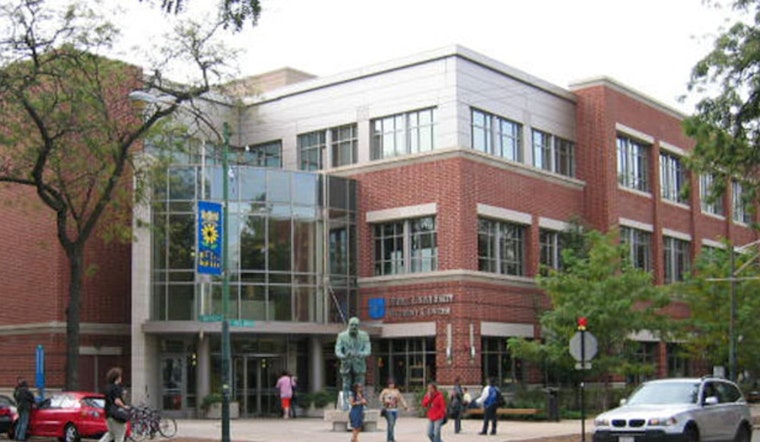
A national watchdog report on federal Parent PLUS loans has put DePaul University and Loyola University Chicago under an uncomfortable spotlight, accusing the schools of leaning on parents, often in lower-income households, to plug tuition gaps with hefty debt. For Chicago families already sweating tuition bills, the findings raise pointed questions about how local colleges build aid packages and whether the real affordability problem is being quietly shifted onto mom and dad.
Report Names the Local Schools and the Stakes
According to the Chicago Sun-Times, a New America analysis released Thursday flagged 41 colleges across the country that appear to steer a large share of lower-income families toward federal Parent PLUS loans.
The Sun-Times reports that at DePaul, 53% of parents taking Parent PLUS loans were parents of Pell Grant recipients, borrowing an average of about $33,000. At Loyola, roughly 48% of Parent PLUS borrowers were Pell families, and their average PLUS debt clocked in at about $46,000. “The fear is really that they're just putting these families into real financial trouble, real financial jeopardy,” New America author Steven Burd told the paper.
How Parent PLUS Works and Why Experts Warn
Parent PLUS loans let parents borrow up to the full cost of attendance, with fixed interest rates and origination fees that can make them pricier than many other federal student loans. The U.S. Department of Education’s Federal Student Aid site notes that PLUS borrowing can cover the cost of attendance minus any other aid the student receives.
Researchers and analysts at New America and other organizations have repeatedly warned that when colleges lean heavily on Parent PLUS to fill gaps, already vulnerable families can end up with long-lasting debt that is hard to manage and that can deepen existing wealth gaps.
Universities Push Back
In a statement to the Chicago Sun-Times, DePaul said it provides more than $350 million a year in institutional scholarships and need-based grants and gives families information about loan options, stressing that whether to borrow is ultimately the family’s choice.
Loyola’s financial aid office told reporters it would review the study before commenting further and directs parents to federal and campus resources on Parent PLUS borrowing. Loyola University Chicago’s own financial aid pages spell out how parents apply for and certify Parent PLUS loans.
Policy Backdrop: Collections and Borrowing Limits
The New America analysis lands at a time when federal rules on defaulted loans and collections are already in flux. The U.S. Department of Education recently announced a temporary delay in involuntary collections, including wage garnishment and certain offsets, while it rolls out repayment changes designed to give defaulted borrowers new options.
According to the department, the pause is intended to give borrowers time to review new repayment and rehabilitation opportunities before money starts getting pulled from paychecks or tax refunds again. At the same time, federal lawmakers and advocates have been debating whether to cap Parent PLUS borrowing as a way to curb runaway parental debt.
What Chicago Families Should Watch
For local parents sorting through financial aid offers, the report is a not-so-subtle reminder to read every award letter closely. Families are urged to separate grants from loans, ask financial aid offices to walk through the assumptions behind their packages, and compare the true net cost across schools instead of just eyeing the headline scholarship number.
Parents can find official guidance on Parent PLUS rules and repayment options on the federal StudentAid site, and the report suggests that families talk through long-term payment scenarios with campus aid counselors before signing on for large PLUS loans that could linger long after graduation day.





