

























































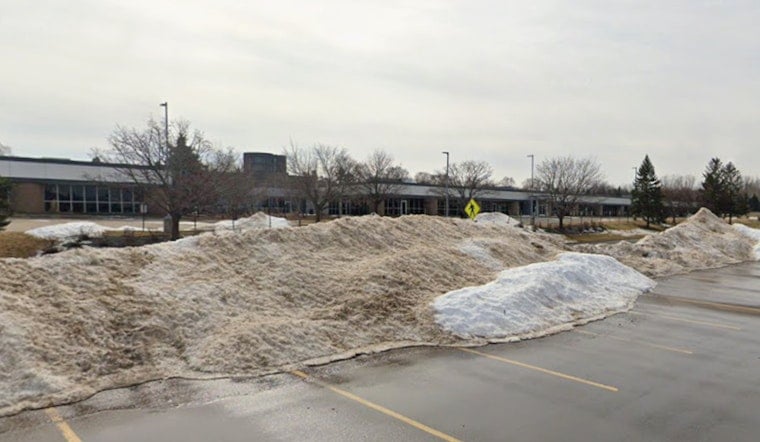
An Eagan office landmark that once housed legions of insurance workers is now being shopped as something very different: an industrial hub with everything from last-mile cold-storage suites to sprawling warehouse boxes.
Two Minnesota developers are circulating plans to convert the vacant Blue Cross and Blue Shield of Minnesota headquarters at 3535 Blue Cross Road into industrial space. The decades-old office complex, largely empty since Blue Cross reduced its on-site workforce, is being pitched to potential users in fresh marketing materials that sketch out a dramatic pivot in how the property could function.
City staff and the development team are expected to sit down in the coming weeks for a concept-level discussion that will shape how any plan moves through zoning and environmental review. Neighbors and planners are already signaling that truck traffic, buffers and grading will be front-and-center issues if the project moves ahead.
Developers signal industrial pivot
Opus Capital Partners is among the firms walking prospective industrial tenants through the possibilities for the site, with marketing materials outlining flexible scenarios that range from retrofitting the existing structure to clearing it for new industrial buildings, as reported by the Minneapolis / St. Paul Business Journal. Those materials flag potential uses including food production, cold storage, general warehousing and light manufacturing.
Developers told the Business Journal they view the property as a way to meet ongoing supply-chain needs and demand for cold-chain capacity in the Twin Cities, positioning the Eagan site as a potential pressure valve for regional logistics.
Property basics
The parcel covers roughly 42.4 acres and has been marketed as a 443,343-square-foot headquarters campus that could either be adapted or scraped for ground-up redevelopment, according to commercial listings. LoopNet highlights visibility from Highway 13 and proximity to Minneapolis-St. Paul International Airport as key advantages for industrial users.
That combination of scale and existing infrastructure is what developers say has caught the eye of food-supply and cold-storage operators who need room to grow without being too far from the urban core.
Neighbors and past proposals
This is not the first time a large-scale re-use of the Blue Cross campus has stirred debate. In 2024, Johnson Brothers floated a plan to turn the site into a liquor-distribution hub, then pulled the plug after neighborhood pushback over traffic, noise and potential impacts on property values. The Star Tribune reported that residents and city council members pressed for stronger buffers and detailed truck-routing plans before they would consider backing the idea.
City leaders say those same issues are likely to resurface if a new industrial concept for the campus becomes formal, setting up a familiar round of public meetings and technical reviews.
Permits, process and timeline
Any shift from a former office headquarters to industrial use will require a comprehensive plan amendment and rezoning, along with a likely review by the Metropolitan Council. Depending on how large and intensive a project is proposed, it could also trigger a state environmental assessment.
Planning staff have previously told applicants that detailed traffic studies, grading plans and buffering strategies will be expected before approvals are on the table. As outlined by Finance & Commerce, earlier concept-level pitches for the campus anticipated a multi-year permitting slog and phased construction, rather than a quick flip.
Why it matters
Recasting the former Blue Cross headquarters as industrial space would mark a significant shift for Eagan, potentially delivering new jobs and tax revenue while reviving concerns that have dogged other south metro warehouse proposals. Increased truck traffic, noise and visual impacts are likely to be weighed against economic benefits as the community digs into the details.
Developers argue that the site’s size and highway access leave it particularly well-positioned to serve regional cold-storage and food-processing demand, a need the Business Journal coverage says is driving the pitch. For additional context on the city’s broader approach to aging corporate properties, see how Eagan's campus makeover playbook is unfolding across other defunct business campuses.




