

























































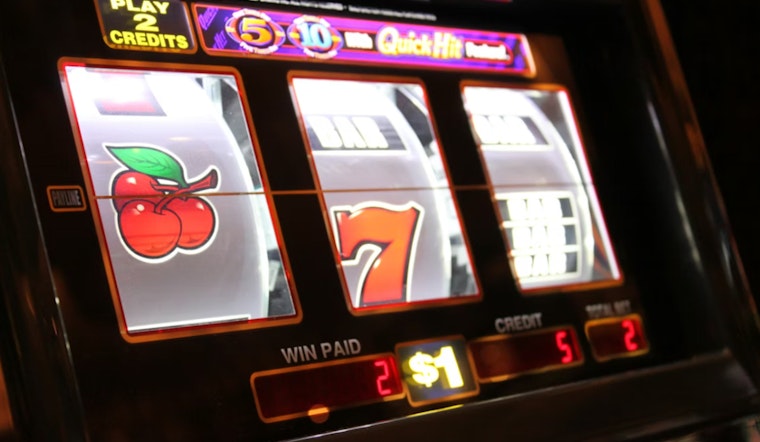
St. Louis’ not-quite-casino gambling scene just took a serious punch to the gut. A federal judge has ruled that the so‑called “no‑chance” gaming machines distributed by Torch Electronics are, in fact, gambling devices and illegal to operate outside licensed casinos. The ruling comes on the heels of a jury finding that Torch misrepresented how much “chance” is really baked into the games.
In a Feb. 13 memorandum and order, U.S. District Judge John A. Ross concluded the devices “are gambling devices” under Mo. Rev. Stat. § 572.010 and therefore unlawful when played outside a licensed casino. The order resolves a declaratory claim in TNT Amusements’ suit against Torch and follows a five‑day jury trial last fall that found Torch liable on false‑advertising and unfair‑competition counts, according to Justia Dockets & Filings.
Local reporting has tracked the spread of the machines across gas stations, bars and convenience stores in Missouri, with thousands deployed in recent years and photos showing the devices at a Florissant bar in October 2025. The St. Louis Post‑Dispatch also published courtroom photos of Torch owner Steven Miltenberger during its trial coverage, underscoring how public the dispute has become, as reported by the St. Louis Post‑Dispatch.
How the machines work, according to the court
Judge Ross’ opinion dives into the mechanics of the devices. Each machine stores long, ordered lists of “prize multipliers,” with pools described as containing as many as 60,000 to 100,000 entries. These lists are shuffled before shipment, and the software selects a random starting index and then cycles through the pool to determine payouts. The court found that the optional “prize viewer,” which lets players see the next prize multiplier, does not remove the underlying randomness. That combination of features was central to the finding that the devices are usable in the “playing phases” of gambling, according to Justia Dockets & Filings.
What enforcement could look like
The ruling gives prosecutors and regulators clearer legal ground to seize machines and pursue enforcement. It also lands at a time when state and federal investigators have reportedly been probing unregulated cash‑prize games in Missouri. Lawmakers, the Missouri State Highway Patrol and casino interests have warned that unregulated machines siphon revenue and lack consumer protections, while Torch has said it would cooperate if contacted by investigators, as reported by the Missouri Independent.
Legal fallout for companies and retailers
The jury’s false‑advertising verdict has already exposed Torch to damages and civil remedies. With the court now declaring that the devices fit Missouri’s statutory definition of a “gambling device,” retailers that host the machines could face seizures, civil lawsuits or even criminal prosecution if local prosecutors decide to bring charges. The court emphasized that it was not issuing broader declarations than necessary, but it cited decisions from other states that rejected the “pre‑reveal” defense vendors have used to argue their machines are lawful, as local reporting has detailed, according to the St. Louis Post‑Dispatch.
Retailers that still have Torch machines on the floor should expect heightened scrutiny and potential enforcement actions in the weeks and months ahead. Federal and state prosecutors, along with lawmakers weighing tighter rules, will be the key players to watch as the legal fight over these ubiquitous devices shifts from the courtroom into neighborhoods and convenience stores across Missouri, according to the Missouri Independent.



