

























































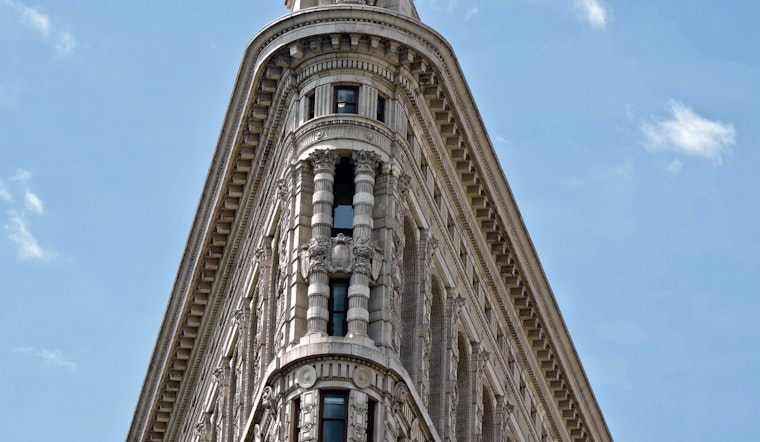
The Flatiron Building, the wedge-shaped landmark that anchors Madison Square Park, has officially turned a new page. For the first time in its 124-year history, the triangular tower's upper floors have been reworked into private residences, with long-vacant offices giving way to high-end apartments. The shift caps years of scaffolding, ownership fights and renovation work that followed the departure of the building’s last major tenant in 2019.
Local cameras have already been inside for an early look. According to CBS News New York, the building is now "opening its doors to residents," and the station's video shows finished rooms that mix the tower's historic terracotta details with sleek, contemporary kitchens and baths.
From court auction drama to a residential reboot
The conversion traces back to a chaotic, court-ordered auction in 2023 and a subsequent ownership shakeup that cleared the way for a residential plan. As reported by The New York Times, the Brodsky Organization later bought into the deal and pushed to retool the 22-story Fuller/Flatiron structure into homes, setting off the approvals and filings that followed.
Units, pricing and the offering plan
Early coverage of the project laid out a wide range of possible layouts, with some reports pegging the conversion at up to 60 units. An offering plan made public in 2025, however, lists 38 residences with layouts that take advantage of the building’s narrow prow. The plan and released floor plans show pricing that starts around $10.95 million and stretches toward $50 million for the largest units, per 6sqft.
Financing, design and preservation
Developers secured the conversion with institutional financing, closing a reported $357 million construction loan from Tyko Capital to underwrite the work. Commercial Observer covered the financing, while international and design press note that Studio Sofield led the interiors and the Landmarks Preservation Commission signed off on a new exterior lighting scheme as part of the restoration. Those preservation steps were central to keeping the building’s historic facade intact while more than 1,000 windows were replaced and terracotta elements were painstakingly repaired.
A new chapter for the Flatiron District
The Flatiron conversion is part of a broader wave of office-to-residential projects across the city as owners respond to shifting demand for office space and a steady appetite for well-located housing. Local real-estate coverage points to the project as both a preservation success story and a high-profile example of how developers are reusing landmark buildings to add luxury housing to Manhattan's inventory. CityRealty notes that the conversion fits into a run of similar adaptive-reuse efforts in recent years.
Sales and marketing for the building are being handled by a major New York brokerage, and units are in various stages of release. The transformation turns a globally familiar silhouette into some of the most expensive and architecturally distinct product on the Manhattan market, with Flatiron's new residents literally living inside one of the city's most photographed pieces of history.



