

























































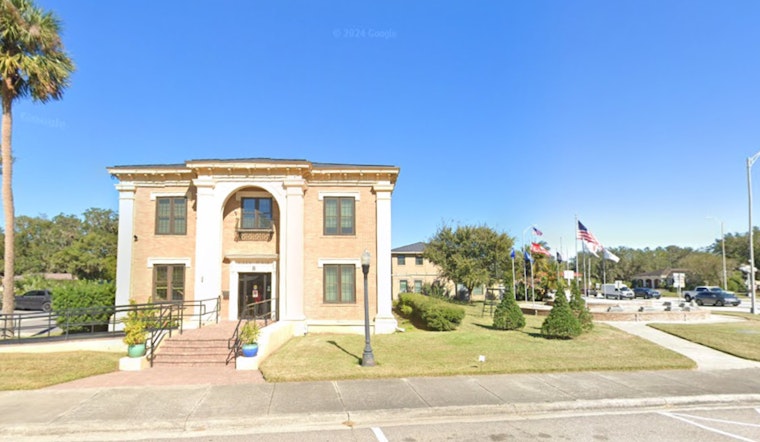
Downtown Fort Meade turned into a full-blown street showdown last night as residents and supporters packed the space beside City Hall to protest a proposed hyperscale data center. Hand-painted signs bobbed over the crowd, car horns answered in support, and some people drove in from neighboring towns to join the fight. For a small city, the turnout made one thing crystal clear: a single development has managed to split Fort Meade over water, jobs and what kind of future it wants.
What the proposal would bring
The project, proposed by Stonebridge, is described by developers and local reporting as a “hyperscale” campus north of downtown on U.S. Highway 98 that would roll out in phases and could include up to eight large buildings. Local coverage has put the facility's capacity at roughly 1.2 gigawatts and notes that the city estimates early water use at about 50,000 gallons per day, figures opponents say are inconsistent and worrisome. Residents at the rally said they want independent analyses and much clearer details before the commission signs off, according to Tampa Bay 28.
Developer says design limits water use
Stonebridge has told officials the campus would use a closed-loop mechanical cooling system that largely recirculates water, limiting potable withdrawals to bathrooms and kitchens, and company materials say that setup cuts the approved allocation substantially. Company representatives have also laid out a timeline that would phase construction over several years, with the first building potentially targeted for 2028 and a large site footprint proposed near U.S. 17, details reported by regional outlets. Those statements and the firm’s presentation of the design are summarized in reporting by Bay News 9.
Tax breaks and county paperwork
At the county level, Polk commissioners in November adopted an ordinance granting an economic development ad valorem tax exemption and approved a performance agreement tied to the project. County records say the application forecasts about $1.2 billion in real-property investment, roughly $1.64 billion in equipment, and an initial 50 full-time jobs at an average wage far above the county mean, in exchange for a 90% exemption over 10 years. Those details and the adopted ordinance appear in Polk County’s public filings, including Polk County Legistar.
Water, energy and health worries
Experts and local advocates caution that hyperscale data centers have environmental and public-health footprints that are anything but minor: very large electricity loads, heavy cooling demands that can stress local water systems, low-frequency noise and potential use of chemicals of concern in some cooling technologies. Statewide reporting warns some megasites can demand millions of gallons per day in extreme cases and recommends independent technical reviews so small cities are not left scrambling to meet utility needs. Environmental groups and journalists urge officials to require third-party studies before final approvals, per reporting by WUSF.
What happens next
Fort Meade commissioners are scheduled to take up final approvals in the weeks ahead, and city leaders say they are weighing economic promises against residents' concerns. Supporters point to long-term tax revenue and training partnerships, while opponents insist the incentives and projected benefits do not outweigh risks to water and quality of life. The commission vote is expected in March, and people at the protest said they plan to keep filing into hearings until they get clearer answers, according to Tampa Bay 28.





