

























































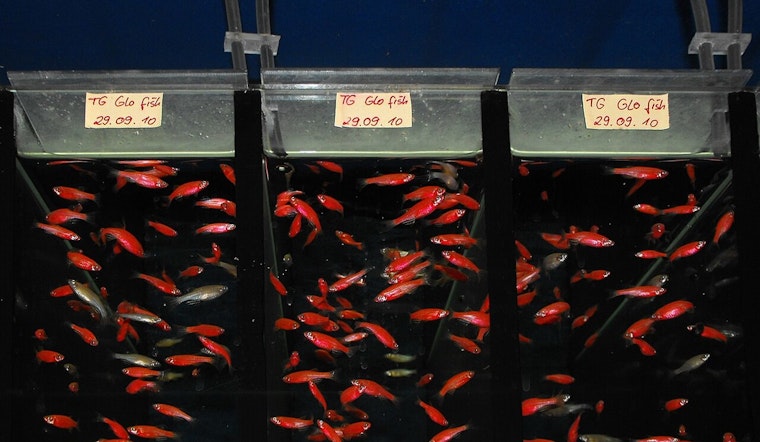
California lawmakers have moved a first-in-the-nation style crackdown on gene-edited pets, and then promptly punched a glowing hole in it. A bill that would ban “transgenic” companion animals is sailing through the Capitol, yet one fluorescent favorite is safe for now: GloFish, the neon aquarium staples that have quietly lit up fish tanks for roughly two decades. The Ethics Over Aesthetics Act, AB 1382, has cleared the Assembly and is headed to the state Senate, reopening a thorny fight over where to draw the line between serious science and novelty pets, and lining up animal welfare advocates on one side and pet retailers and hobbyists on the other.
What the bill would ban
AB 1382, authored by Assemblymember Leticia Castillo, would block anyone from importing, selling or offering for sale animals created through intentional genomic alterations when the goal is purely cosmetic. Edits that aim to improve an animal’s health, or that reasonably enhance human-animal interaction, would still be allowed. The proposal includes civil penalties and gives local prosecutors the authority to go after violations. According to LegiScan, the bill passed the Assembly on a near-unanimous vote and is now parked in the Senate.
GloFish exemption and the lobby that won it
Lawmakers quietly tweaked the bill to explicitly exempt currently marketed GloFish after hearing from retailers and trade groups worried that a broad definition would suddenly outlaw a long established aquarium product. Pet stores, with the Pet Advocacy Network at the front of the pack, pushed hard for that carve out in committee hearings, and records show the language was requested and adopted as part of a broader conversation about grandfathering the existing market. Josie Zayner, co founder of the Los Angeles Project, told The Sacramento Bee this was the second time her work had been targeted by what she called “anti tech” legislation, and the committee exchange is reflected in public transcripts documented by CalMatters' Digital Democracy.
Biohackers, glowing bunnies and the wider debate
The GloFish loophole lands just as startups and biohackers dangle far stranger offerings in front of the public, from hypoallergenic cats to rabbits that literally glow. Lawmakers are being forced to juggle animal welfare concerns, consumer demand for oddball pets and the argument that too tight a leash on genetic tinkering could chill innovation. The Los Angeles Project, co founded by Zayner, has said it is experimenting with green fluorescent protein in rabbit embryos, a step covered in national reporting that has sharpened lawmakers’ focus on the issue. That broader backdrop, combined with Zayner’s previous run ins with regulators, helped push the Assembly to narrow what the bill would touch. For deeper context on the Los Angeles Project and the biohacking debate, see reporting by Wired.
Why supporters backed the bill
Animal welfare groups and frontline rescuers framed AB 1382 as a pre emptive strike, arguing that a wave of trendy, gene altered pets could mean more animals abandoned when the fad fades. Nickolaus Sackett of Social Compassion in Legislation told lawmakers that California shelters euthanize “approximately a quarter of a million animals every year,” and warned that a “glow in the dark rabbit” craze on TikTok would leave local shelters holding the bag. Those warnings, and a roster of groups backing the measure, are part of the public record. CalMatters' Digital Democracy and The Sacramento Bee have both reported on supporters’ testimony and the coalition lining up behind the bill.
Legal enforcement and next steps
If AB 1382 becomes law, each violation would bring a civil penalty of at least $5,000 per animal, and enforcement power would rest with county district attorneys and city attorneys, a structure spelled out in the bill text. The proposal has already cleared the Assembly and been ordered to the Senate, where lawmakers are expected to take it up before bill deadlines later this spring. For the full text and current status, see LegiScan.
For now, GloFish remain in their usual spots on pet store shelves while the Legislature wrestles with where to draw the border between regulated science and purely cosmetic animal edits. The Senate’s version of this fight will show whether California opts for a narrowly tailored ban aimed at future designer pets, or a broader clampdown that could reshape the market for tech driven animals altogether.




