

























































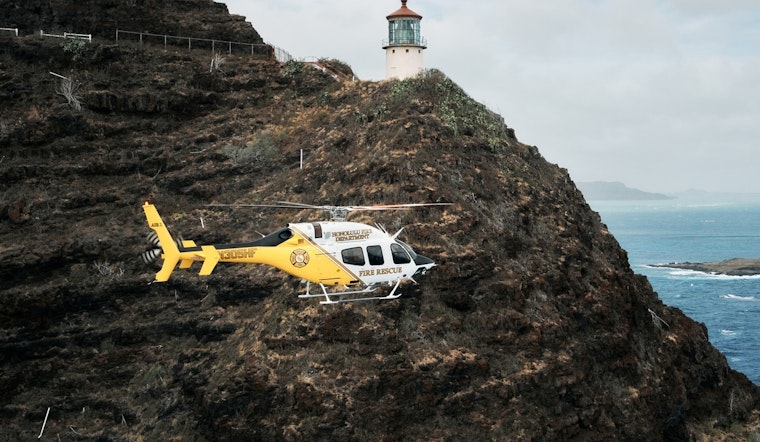
Hawaii lawmakers are weighing a plan that would let hikers buy peace of mind before they hit the trail. A pair of bills at the Capitol would create a paid hike safe card and a dedicated search-and-rescue fund to help cover the cost of helicopter and ground operations that can lock up crews for hours. Honolulu firefighters and some rescue groups are not thrilled, warning that if rescues start to feel like billable services, people may think twice before dialing 911, a hesitation that has become the central fault line in the debate.
What's in the bills
One proposal would launch a formal Search-and-Rescue Card Program and set up a Search-and-Rescue Special Fund to reimburse state and county agencies, along with volunteer organizations, for missions. A companion bill would create an Office of the State Search and Rescue Coordinator to manage statewide response, training and planning.
Both measures were introduced by Sen. Angus McKelvey and have been routed to Senate committees for hearings this month. The idea is to bring some order to how search-and-rescue work is funded and reimbursed across the islands, a goal reflected in the public bill summaries on LegiScan and LegiScan.
Fire department warns of safety trade-offs
Honolulu Fire Department leaders have pushed back on the cost-recovery push, saying that if people believe a rescue might lead to a bill, some will wait too long to call for help, putting both hikers and rescuers at greater risk. HFD spokesperson Jaimie Song noted that the department's new Bell 429 helicopter costs about $2,700 an hour to operate, a figure that underscores how pricey air rescues can be. The department has urged legislators to balance those financial realities with what delayed calls could mean in real emergencies. KHON2.
What other models look like
Backers of the bills point to examples on the mainland where outdoor users help shoulder some of the rescue tab. In New Hampshire, a voluntary Hike Safe card runs about $25 per person or $35 per family, with the money routed into a dedicated search-and-rescue fund that brought in six-figure revenue in its early years. Supporters in Hawaii argue that similar user-funded programs could ease pressure on local government budgets while still making sure help is there when people get in trouble. Hike Safe, Pemigewasset Valley SAR and reporting on comparable state laws.
Legal and operational questions
Emergency responders who filed testimony on the bills have flagged a list of fine-print concerns. Some warn that certain cost-recovery provisions could have unintended regulatory effects on public-use aircraft and raise thorny liability or enforcement questions for counties. Those written submissions, along with other committee documents, are posted as part of the public record on the Legislature's bill pages. Hawaii Legislature.
What comes next
For now, both measures are parked in Senate committees, where lawmakers are taking testimony, haggling over language and considering amendments. Sponsors pitch the bills as a way to stabilize funding and tighten coordination statewide, while critics are pressing for clear guardrails so that safety is never sacrificed for cost recovery. If the committees advance the proposals, they will still need more work, and likely more revisions, before either chamber takes a full vote. Readers can follow the latest schedules and status updates on TrackBill.





