

























































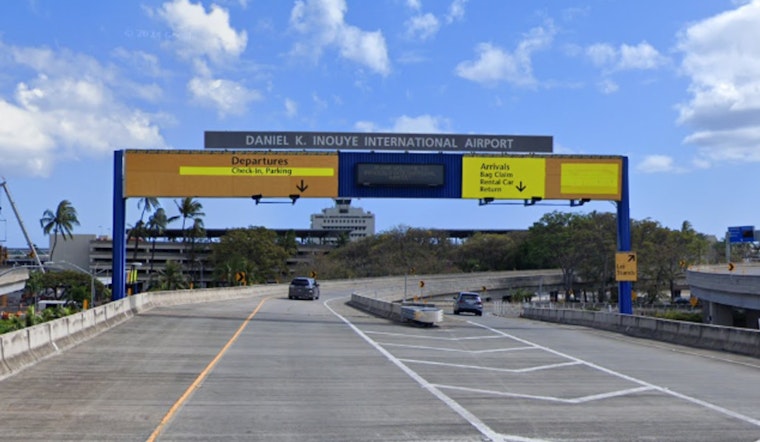
Honolulu’s Daniel K. Inouye International Airport has quietly slipped AI-generated, island-themed songs into the music that plays across its terminals. The short tracks, meant to chime in at the top of every hour, have quickly turned into a litmus test for how people feel about artificial intelligence in a place that trades heavily on culture and ambience.
According to Honolulu Civil Beat, the Hawaiʻi Department of Transportation added 17 island-themed, AI-generated songs to HNL’s playlist in November. The tracks play at the top of the hour from 5:00 a.m. to midnight. State DOT spokeswoman Shelly Kunishige told the outlet that “the songs highlight different aspects of the islands, aviation and the airport,” and said no state funds were used to produce the music. Airport management also paused the tracks briefly to fix a volume issue.
The rollout has drawn a split reaction. Some travelers and musicians argue the synthetic tunes misrepresent Hawaiian music and could edge out local performers, while others online say the new material is surprisingly catchy. Kyle Dahlin, a passenger who grew up in Kailua, told Civil Beat he suspected AI when he could not match the songs to any known artist and said, “You can tell from the lyrics that they don’t quite rhyme.” Another traveler, Bill Collins, called one track “very obviously AI.” Civil Beat reporters ran samples of 10 tracks through an online AI-music detector and found two that likely contained AI elements.
Lawmakers And Livelihoods
The airport playlist debate has collided with policy talk at the Capitol. House Bill 2357, introduced this session and available on LegiScan, would have barred music streaming platforms from hosting music performed or attributed to an AI music artist in Hawaiʻi. The measure did not advance out of committee, but it underscored mounting concern over what AI could mean for working musicians.
That anxiety is not just local. A report from UNESCO projects that generative AI could put up to 24% of music creators’ revenues at risk by 2028, a sobering backdrop for any experiment that swaps live or human-made sound with algorithmic output.
Airport Response And Cultural Context
For now, the airport is keeping a mixed musical menu. The AI tracks share space with human-curated aloha music and periodic live performances as managers gauge how the new pieces play with passengers. Daniel K. Inouye International Airport is owned and operated by the State of Hawaii Department of Transportation, and terminal details and contact information are listed on the Daniel K. Inouye International Airport site. Whether the AI songs stick around in their current form will hinge on DOT follow-up and how the broader public conversation about cultural representation shakes out.
What is unfolding at HNL is a tightly focused version of a global tug-of-war: public agencies can use AI to churn out cheap, on-brand content, but doing that in places where living cultural traditions are supposed to be front and center raises thorny questions about authenticity, local economic impact, and who actually benefits. Expect more scrutiny from artists, passengers and policymakers as Hawaiʻi works out how much technology belongs in spaces designed to showcase the islands.





