

























































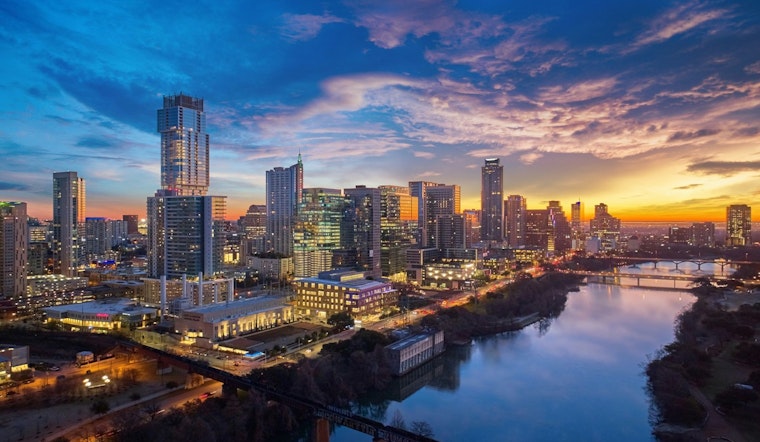
A new investigation has sketched out a remarkably tangled cluster of Texas companies tied to Elon Musk, revealing a footprint that runs from downtown Austin high-rises to quiet stretches of Bastrop County and beyond. The reporting treats sprawling land parcels, luxury condos, and even aircraft as pieces of a private network that sits alongside Musk’s marquee brands, while raising uncomfortable questions about how the whole operation is structured. For people in Central Texas, the findings tap directly into long‑running worries about rapid development, political clout, and the limits of public transparency.
What the Times found
The New York Times traced roughly 90 Texas entities connected to Mr. Musk, reporting that more than 50 are subsidiaries or affiliates of his broader business empire, while at least 37 appear to be used largely for his personal needs. Together, the companies hold a portfolio of more than 1,000 acres, and one entity owns two multimillion-dollar condominiums totaling more than 7,000 square feet in the Austin Proper Hotel. Investigators also found that some entities manage aircraft Mr. Musk uses for private travel, and campaign-finance experts told the paper that routing political expenses through private companies can obscure how the money is ultimately spent, according to the Times.
Money and politics
Federal campaign filings show Musk pumped tens of millions of dollars into America PAC and allied groups during the 2024 cycle, reshaping who picked up the tab for canvassing and other ground operations, as reported by The Washington Post. Experts and watchdogs say that using interposed companies and LLCs to handle such activity can make it harder for regulators, journalists and voters to follow the political money trail. That mix of complex corporate plumbing and outsized political giving has drawn fresh attention from ethics groups and state authorities.
A Texas footprint from condos to acreage
Local reporting has been tracing Musk’s expanding presence in Central Texas for years, from corporate offices to land buys and construction notices, and the Times’ new map essentially layers a national lens on that existing record. The Texas Newsroom and KUT have documented Musk-linked lobbying in Austin and the limits of disclosure when officials’ records arrive heavily redacted, putting the latest findings into a distinctly local frame, according to KUT.
Why limited-liability companies make oversight hard
Attorneys and transparency advocates note that limited-liability companies are standard tools in modern business, but say that sprawling constellations of such entities can blur who owns what and how money moves. Regional reporting has highlighted politically suggestive registrations and repeated use of the same Austin addresses when Musk associates file new entities, a pattern local outlets have mapped in earlier work, including reporting in the Houston Chronicle.
Local reaction and next steps
Community groups and municipal officials in Austin and Bastrop say the new Times reporting reinforces long-standing transparency concerns around land deals, permitting, and political influence in the region. Hoodline and other local outlets have tracked permit filings and state project notices near Musk-linked sites, while public-records requests have turned up heavily redacted email exchanges between state officials and Musk associates, a reminder that much of the back-and-forth remains shielded from public view.
The Times investigation pulls back one layer of a complex corporate onion but leaves plenty of unanswered questions about who ultimately controls which assets and how political spending flows through the network. State filings, watchdog inquiries, and follow-up reporting will be needed to sort out whether this Texas web is mostly routine corporate housekeeping or part of a more deliberate design with broader legal and political implications.





