

























































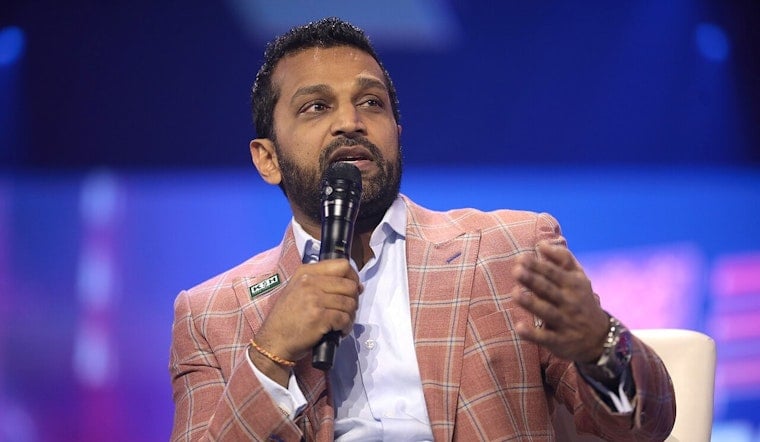
FBI Director Kash Patel says his own agents quietly pulled his phone records, along with those of White House Chief of Staff Susie Wiles, during 2022 and 2023, then buried the material in internal folders labeled “Prohibited” that were difficult to locate.
Patel says the files contained toll records, the basic call logs that show who contacted whom and when, not the content of any conversations. He also says that after discovering the practice he shut down the bureau’s ability to label files as “Prohibited.” The revelation is already feeding fresh scrutiny of how the FBI handled investigations connected to former President Donald Trump.
As reported by Reuters, Patel says most of the subpoenas for those records were issued while Special Counsel Jack Smith was overseeing probes into Trump’s handling of classified documents and his efforts to overturn the 2020 election results. Patel called the seizures “outrageous and deeply alarming” and says he only discovered the records after taking over the bureau in February 2025. According to Reuters, the outlet could not independently confirm how broad the subpoenas were or why they were issued.
What The Records Show And How They Were Obtained
Call detail or toll records typically list phone numbers, timestamps and the length of calls, but not what was said. Federal law lets investigators obtain those records using subpoenas or national security letters, which compel phone companies to hand them over.
Civil liberties advocates say those tools give prosecutors and the FBI wide access with no judge required. According to the ACLU, statutes such as the Electronic Communications Privacy Act and authorities governing national security letters allow those collections and can include gag orders that delay notifying the people whose records were taken.
Political Fallout And Internal Shake Ups
CNN reported that Patel has launched an internal review and removed at least 10 employees who worked on the Mar a Lago classified documents investigation, part of a broader reshuffling of teams involved in Trump related cases. His disclosures have already triggered sharp partisan reactions and new questions from oversight hawks. A spokesperson for Special Counsel Jack Smith declined to comment, and the White House had not publicly responded to Patel’s account when reporters sought reaction.
Oversight Questions Ahead
Senate Judiciary Chairman Chuck Grassley has previously sounded alarms about the FBI’s use of “Prohibited” access labels and has pushed the bureau to turn over related records, arguing that such designations can wall off material from congressional scrutiny. His office laid out those concerns in a 2025 letter to the Justice Department and the FBI.
Coverage in the Honolulu Star-Advertiser amplified Reuters’ reporting and flagged immediate questions about who signed off on the subpoenas and whether other records may have been treated the same way.
Legal analysts and lawmakers are expected to seek the underlying records and sign off documents to determine whether the proper procedures were followed and whether withholding notice was justified. For now, Patel’s account has placed the FBI’s internal filing system and its oversight safeguards under renewed pressure, as committees and the public decide what comes next.





.jpg)