

























































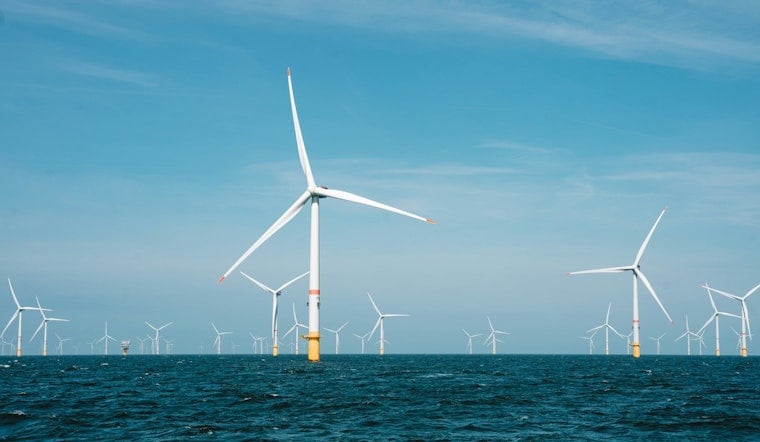
The Interior Department has cut a blockbuster pair of deals that will pay two energy developers nearly $900 million to walk away from offshore wind projects off New York, New Jersey and California, and to steer that money into oil and gas instead. Under agreements announced Monday, Bluepoint Wind and Golden State Wind will surrender their federal offshore wind leases and redirect equivalent investment into liquefied natural gas and Gulf Coast fossil fuel infrastructure. The buyouts follow a similar settlement earlier this spring and deepen a months-long federal shift away from large offshore renewable projects.
How Washington Structured the Payouts
Under the plan, the administration will allow Bluepoint and Golden State to recoup most or all of the lease fees they previously paid, so long as they put comparable sums into U.S. oil and gas projects. That structure adds up to roughly $885 million in reimbursements across the two companies, according to The Associated Press. Interior officials have framed the transactions as following the model of an earlier agreement and confirmed that the companies would not pursue new offshore wind development in the United States.
Where the Scrapped Wind Farms Were Headed
Bluepoint’s lease, OCS‑A 0537, sat in the New York Bight, roughly 38 miles off New York and about 53 miles off New Jersey, and had been moving through federal review with the Bureau of Ocean Energy Management. Golden State Wind held a floating-wind lease in the Morro Bay area off California’s central coast, located several dozen miles offshore and focused on floating turbine technology. The leases were awarded in BOEM’s 2022 auctions and were expected to support state clean energy goals. According to the Bureau of Ocean Energy Management and Golden State Wind, both projects were still in relatively early stages of permitting and survey work when the companies agreed to walk away.
The Blueprint: TotalEnergies’ Earlier Exit
Interior says the new agreements mirror a template first rolled out in March, when TotalEnergies relinquished two U.S. offshore wind leases and arranged to recover its lease fees while pledging to put that money into U.S. gas and liquefied natural gas projects. In that earlier deal, the company described the arrangement as a refund of lease fees to be reinvested in U.S. gas and export infrastructure, and reporting noted that TotalEnergies was released from roughly a $1 billion commitment under the settlement. See TotalEnergies and coverage from Bloomberg.
Court Fights, Climate Politics and a Taxpayer Tab
The buyout strategy surfaces after a run of courtroom setbacks for efforts to halt offshore wind. Federal judges have overturned stop-work orders that had frozen several East Coast projects and have vacated broader administrative pauses on wind permitting. Environmental groups and clean energy coalitions have cheered those rulings, while some members of Congress and climate advocates are fuming that taxpayer dollars are now underwriting project cancellations instead of construction. For background on the court actions, see the Environmental Defense Fund and a legal summary at the E2 Law Blog, and for congressional reaction see a letter and statement from Representatives including Alexandria Ocasio‑Cortez and Senator Ed Markey.
Ripple Effects in New York and California
For New York, New Jersey and California, the cancellations pull the plug on anticipated offshore power supplies and jobs that state planners had started to bake into forecasts for turbines, ports and undersea cabling. BOEM and developer materials had projected significant power generation from these leases that would have counted toward state clean energy targets. With those projects now off the table, officials will have to rethink procurement timelines and local supply chain strategies that had been built around the scrapped sites. BOEM’s New York Bight documents and Golden State Wind’s project pages outline the original development goals that are now in limbo.
What to Watch Next
State governments, environmental groups and congressional oversight committees are expected to keep a close eye on how the new deals are carried out, and legal challenges or fresh federal guidance on lease refunds and relinquishments would not be a surprise. Analysts warn that the approach could tempt additional developers to seek buyouts instead of pushing ahead through regulatory uncertainty, stretching out the already delayed rollout of large-scale offshore wind in U.S. waters. For a deeper look at the broader trend and the legal questions it raises, see reporting and commentary from Canary Media.




