

























































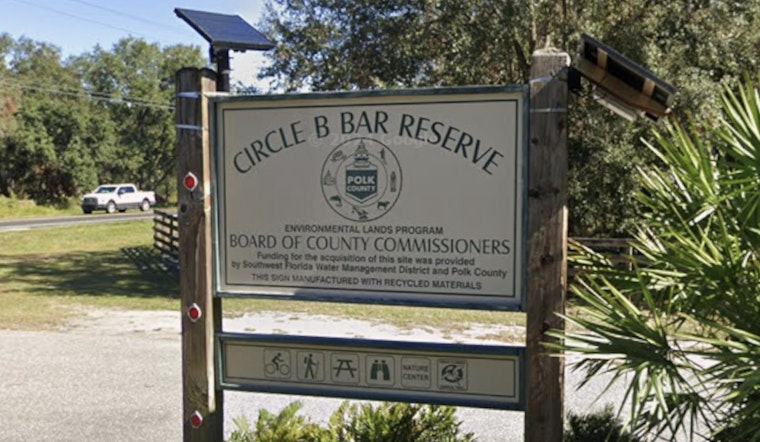
Visitors out for a winter walk at Circle B Bar Reserve in Lakeland got a harsh dose of reality when they looked out over the west side of Lake Hancock: thousands of dead fish, almost all tilapia, lining the marsh edge. The shoreline is now slick with carcasses, the air thick with a rotting smell, and black and turkey vultures are crowding the scene along Wading Bird Way.
People on the causeways said they watched the birds swarm the fish and quickly alerted park staff. For now, the trails remain open, but rangers are telling visitors to give both the wildlife and the carcasses plenty of room.
Park Officials Point to a Brutal Cold Snap
Staff at Circle B are putting the blame squarely on the recent cold front that shoved air temperatures into the mid-20s Fahrenheit. They describe the fish kill as heaviest along the preserve’s western shoreline.
In an interview with WTSP, reserve manager Eric Eversole said the dead fish were “almost entirely tilapia” and that the nonnative species simply “could not tolerate the prolonged cold.” He added that crews do not plan to haul the fish out; instead, they will let scavengers and natural decomposition do the cleanup work and restore balance in the marsh.
Cold Stress, Not Pollution, Remains the Leading Theory
Biologists say sudden drops in water temperature can easily overwhelm warm-water fish, especially invasive tilapia that pack into shallow Florida lakes. When the water cools too fast, it can trigger mass die-offs without any chemical spill or pollution event involved.
The Florida Fish and Wildlife Conservation Commission urges the public to report fish kills and explains that sharp cold fronts can cause cold stress, reduce dissolved oxygen, and set off other lethal conditions for fish. The agency offers both a hotline and an online form for reporting die-offs, and officials advise people to stay away from dead wildlife and to contact the Fish Kill Hotline if they come across a large event like this one.
Circle B Is a Managed Nature Preserve
Circle B Bar Reserve is a 1,267-acre environmental lands site jointly managed by Polk County and the Southwest Florida Water Management District. Polk County lists the reserve and its Nature Discovery Center at 4399 Winter Lake Road, just off Lake Hancock.
The property is a magnet for birders, photographers, and families, thanks to its boardwalks and trails that trace the lakeshore. Polk County notes that those trails can be shut down from time to time for safety or management work, and county officials say they will be keeping a close eye on water and wildlife conditions as the weather warms. According to Polk County, any necessary closures will be announced as conditions evolve.
What Visitors Can Expect in the Coming Days
Park staff told WTSP they expect the mess to slowly resolve itself as temperatures climb and scavengers work through the dead fish. They estimate the worst of the smell and sight should fade over roughly two weeks.
Rangers are warning visitors not to handle any of the carcasses and not to crowd the flocks of feeding birds, both for public safety and to give the marsh room to recover on its own timetable.





