

























































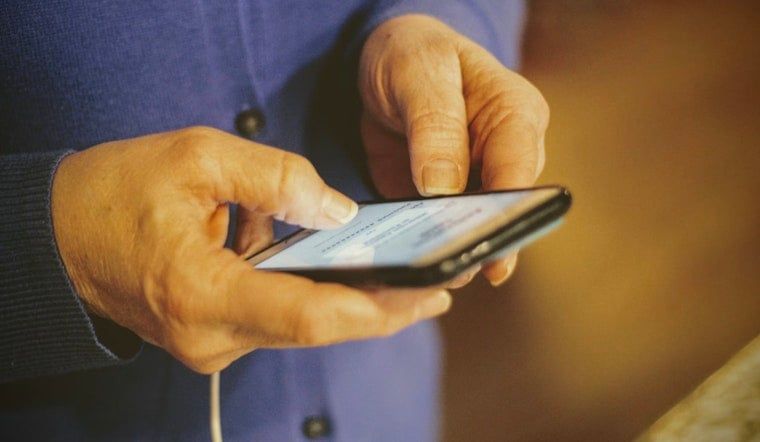
AARP is cranking up the volume across Florida after a sharp rise in scams aimed squarely at residents 50 and older, with victims and advocates saying the losses are already in the hundreds of millions. Criminals are working the phones, blasting text messages and firing off phony emails while posing as banks, tech companies and even family members, then pushing targets to move money fast into channels that cannot be reversed. The surge has AARP Florida and consumer advocates racing to educate residents and press lawmakers for tougher protections.
Local totals and federal context
Local TV station CBS Miami reported that Floridians 50 and over lost more than $258 million to fraud in 2025, citing Federal Trade Commission data. Advocates say that eye-popping total reflects the impersonation schemes and pressure tactics that are becoming more common and more sophisticated.
Victim accounts drive home how quickly money can vanish. Grisel Muina told CBS Miami she received what looked like a legitimate email alert about a charge, then handed over identification and bank information. Before long, $2,345 was gone, and her bank said it could not recover the funds because she had technically authorized the transfer.
Why older Floridians are easy marks
AARP research shows many adults 50 and older still pick up calls or respond to texts from unfamiliar numbers, and a significant share download free apps or take online quizzes that can expose personal data. AARP says that mix of habits gives scammers exactly what they need: personal details to build convincing, targeted pitches that lean on urgency, fear and trust.
Officials push back as national losses climb
The Federal Trade Commission has documented a national surge in reported losses, with consumers saying they lost $12.5 billion to fraud in 2024. Regulators and advocates say that backdrop helps explain why older adults are increasingly in the crosshairs.
In Florida, lawmakers and consumer groups are trying to catch up. Proposals are on the table to block spoofed caller ID and tighten rules around rapid-transfer channels as part of a broader push to make it harder for fraudsters to weaponize phones and crypto kiosks against seniors, according to local coverage. Outlets such as Florida senators launch crackdown on spoofed scam calls have detailed those efforts along with AARP Florida’s advocacy.
How to protect yourself right now
Experts recommend a few straightforward moves. Slow things down before responding to an unexpected call, text or email, especially if someone is asking you to move money. Save any suspicious messages, then contact your bank immediately and ask about freezing or reversing transfers, and consider placing a credit freeze with the major bureaus. AARP’s Fraud Watch Network offers victim support and a helpline, and state resources can guide you through reporting and documentation.
For help and reporting options, contact the AARP Fraud Watch Network helpline through the AARP Fraud Watch Network page or use state tools from the Florida Attorney General’s office via its consumer resources. You should also notify your bank and local law enforcement; officials urge filing a report with federal authorities through the FTC’s reporting tools and with the state office so patterns can be tracked.
Scam tactics keep changing, but awareness and quick reporting can limit the damage. If you or a family member are targeted, save every message, contact your financial institution right away and call 877-908-3360 for AARP Fraud Watch Network assistance.





