

























































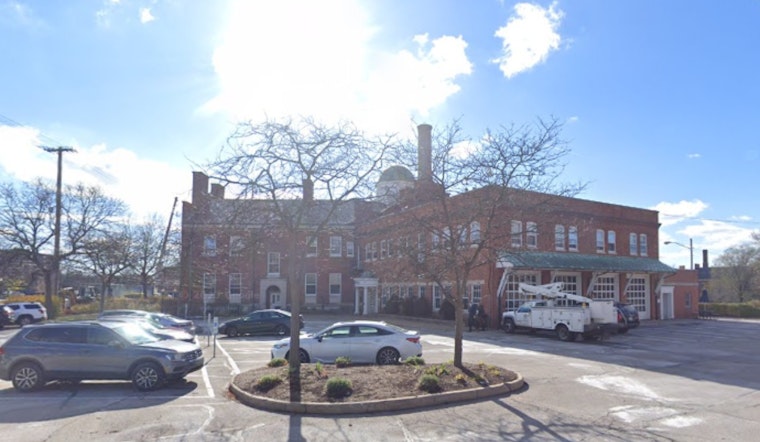
Shaker Heights City Council has signed off on a rezoning package billed as the “backbone” of the Lee Road Action Plan, a key move that clears the runway for a long‑anticipated streetscape overhaul and new private investment along the Chagrin‑Lee corridor. The zoning rewrite swaps in fresh mixed‑use rules for the three‑quarter‑mile stretch south of Van Aken so it can be more walkable, more bike‑friendly and more appealing to restaurants, retailers and small‑scale developers. City officials say the changes finally give property owners clearer redevelopment rules after decades of auto‑oriented zoning.
What changed in the code
The update creates two new commercial mixed‑use zones, labeled CM‑2 on the east side of Lee Road and CM‑3 on the west, and it replaces portions of the old C‑3 district. Certain auto‑oriented uses, including drive‑through lanes and car repair, are no longer allowed. Smoke shops are treated as conditional uses, and restaurants and live entertainment are now formally listed as permitted uses. The package also sets new dimensional standards, all detailed in planning documents from the City of Shaker Heights.
Council adopted the rezoning after a public hearing on Monday, Feb. 9, putting what one reporter described as a zoning “backbone” in place to support the Lee Road Action Plan, according to Cleveland.com. Supporters told the outlet the vote shows the city is ready to match major public improvements with follow‑on private investment.
The rezoning is tied directly to a broader infrastructure push. The city has reported securing roughly $24 million in commitments toward an approximate $30 million program for roadway, bike and streetscape upgrades designed to make Lee Road more attractive to investors and retailers, according to Shaker Life.
Local coverage also highlights how the use rules could quietly reshape who sets up shop. Cleveland.com reports that cocktail bars have been added as conditional uses in the existing commercial mixed‑use districts at Van Aken, Shaker Towne Center and Larchmere, and that kiosks will be allowed as pop‑up retail. The outlet notes that smoke shops will face distance‑separation requirements and says owners of existing auto‑related businesses will have a one‑year window to resell if they want to keep grandfathered status, with the zoning administrator able to grant a one‑year extension. Shaker Heights Development Corporation executive director Callie Cripps told the paper the process “reflects collaboration” and “sends a strong signal” about the district’s future, while resident David Lewis said he backs the focus on Lee Road but worries about the tight resale deadline.
What comes next
Engineering for the Lee Road “complete street” is already in advanced design. The plan calls for narrowing most of Lee Road from four lanes to three, adding a sidewalk‑level two‑way cycle track south of Van Aken, and layering in landscaping, upgraded lighting and mid‑block pedestrian crossings. Construction on the public work is projected to start in mid‑to‑late 2026 as the city locks in contracts, according to the City of Shaker Heights. Murals and other placemaking projects are slated to follow in Summer 2026.
The Shaker Heights Development Corporation has said it plans to leverage the public spending into additional private investment and already operates a Shaker Lee Development Fund that has been targeting property acquisition in the Chagrin‑Lee corridor since 2021, according to the Shaker Heights Development Corporation. City and nonprofit leaders say the new zoning should help line up those acquisitions and future leasing with what developers are now allowed to build.
Legal and business implications
Many existing auto‑oriented operations will be treated as pre‑existing, nonconforming uses that can keep running and can be sold. At the same time, the rules make it harder for those uses to restart after sitting vacant for too long, a shift that will matter for car dealers and repair shops considering their next move. Property owners along Lee Road can expect conditional‑use hearings, spacing rules for certain retailers and tighter design standards to play a big role in deciding which storefronts hold on and which parcels are primed for redevelopment.
What to watch
Residents keeping score at home may want to track the city’s procurement notices as it picks contractors, council committee agendas as final ordinances move forward, and any public filings tied to the Shaker Lee Development Fund. Those will offer early clues about whether the zoning overhaul converts into real private investment. Merchants and neighbors will also want to watch upcoming conditional‑use applications and Planning Department notices as the new rules begin to hit day‑to‑day decisions on Lee Road.




