

























































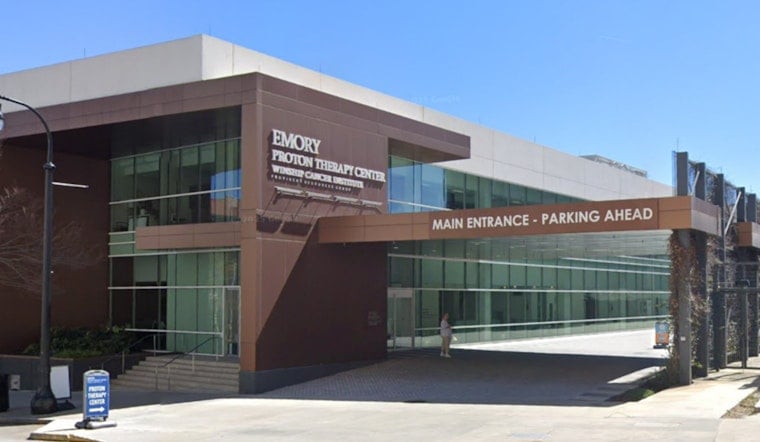
Emory University is moving to lock in control of the Emory Proton Therapy Center in Midtown Atlanta after the facility’s owner filed for Chapter 11 bankruptcy, setting up a fast‑tracked court sale that could decide the future of one of the city’s marquee cancer treatment sites. Under a tentative $110 million deal, Emory is the stalking‑horse bidder, and both the university and the center say patients will keep getting treated while the case plays out.
The Deal And The Filing
According to a press release on Business Wire, Georgia ProtonCare Center Inc. (GPCC), which operates as the Emory Proton Therapy Center, filed a voluntary Chapter 11 petition on January 22, 2026, and at the same time entered into an asset purchase agreement with Emory University on behalf of Emory University Hospital Midtown.
The proposed sale is being run under Section 363 of the U.S. Bankruptcy Code, a process that lets the debtor market the business, solicit competing bids, and hold an auction if other qualified buyers show up. GPCC has also installed a chief restructuring officer and filed first‑day motions aimed at keeping the lights on, the insurance current, and patient treatments running on schedule while the Chapter 11 case moves forward.
Court Docket And Timeline
The case is on file in the U.S. Bankruptcy Court for the Northern District of Georgia as No. 26-50882-JWC, with Epiq serving as the claims and noticing agent, according to the public docket summaries. Early filings and first‑day orders center on letting the center operate as usual while the sale process gets organized.
The public case page and filing index include the key pleadings and the working calendar for motions and hearings; the docket summary is available through the court listing on Inforuptcy.
Why The Center Collapsed Financially
Industry writeups and GPCC’s own court papers point to a familiar problem for capital‑intensive medical projects: heavy tax‑exempt bond financing paired with fixed debt payments that outstripped the cash coming in from operations, especially under reimbursement pressure. Case analyses describe outstanding municipal bond obligations in the hundreds of millions and frame Emory’s $110 million stalking‑horse bid as the floor price in a sale meant to maximize recoveries while keeping the proton center open, according to ElevenFlo.
Patients And Continuity Of Care
GPCC and the center’s patient notices emphasize that day‑to‑day treatments will continue with the same clinical staff, and that existing appointments and authorizations are expected to stay in place during the case. Emory’s Winship Cancer Institute has previously reported that the center has treated thousands of patients since opening in 2018, and local reporting puts annual patient volume at more than 1,000.
For the company’s patient FAQ and operational updates, the center has posted a restructuring information page and there is also coverage by the Atlanta Business Chronicle.
Legal And Financial Stakes
The sale is designed to walk a tightrope: keep a highly specialized clinical service running while still delivering what value it can to bondholders and other creditors. A court‑approved Section 363 sale can move the operating assets to a buyer free and clear of certain claims, if the judge signs off.
GPCC’s press materials note that the bond trustee has agreed to limited use of cash collateral so the center can fund operations while the case proceeds, as outlined in the company’s Chapter 11 press package on Business Wire. Any sale, stalking‑horse or otherwise, will still need bankruptcy‑court approval, and creditors and other interested parties will have a chance to object before the judge rules.
Next Steps And What To Watch
Public case summaries and GPCC’s proposed schedule point to a tight bid timeline, with the potential for a mid‑April auction if qualified competing bidders surface, followed by sale hearings in late April under the current plan. Interested bidders, creditors, and other stakeholders will be watching the bid procedures that set deadlines, spell out how to qualify, and define any break‑up fees tied to Emory’s stalking‑horse agreement. Industry updates and case briefs detail those milestones at ElevenFlo.
Watch for court orders on who counts as a qualified bidder, how cure amounts will be handled for contracts assigned to the buyer, and any objections that could alter the schedule or reshape the sale terms.
For patients and community members tracking what this all means in practice, the company has posted a patient FAQ and contact information, and the official case materials and claims portal are hosted on the court‑appointed claims site. Official case information and filings are available on Epiq. Emory and GPCC say uninterrupted care remains the priority while the sale process unfolds, and more detailed operational guidance is expected as the bid calendar and hearings move ahead.



