

























































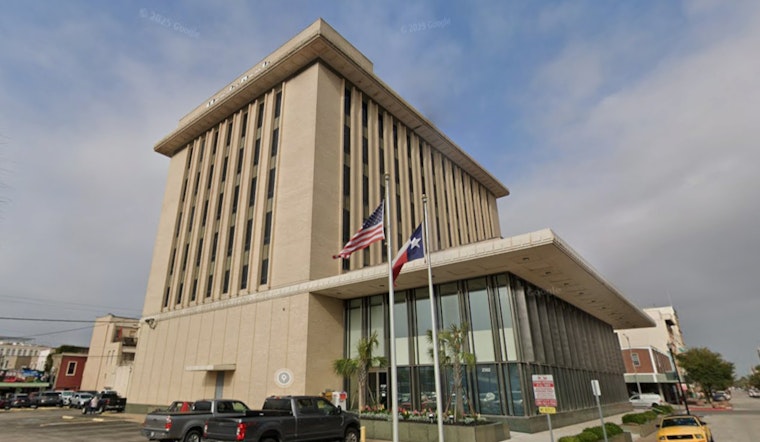
A fresh KXAN documentary that aired Feb. 27, 2026, pulled back the curtain on one of the biggest education gambles Texas has seen in years: the Moody Foundation’s $1 billion pledge to reshape learning across the state. Trustees pitch it as a long-term, cradle-to-career strategy, and in Austin, the effects are already visible in shiny new buildings, endowed programs, and headline-making gifts to local colleges. For students and nonprofits, the question is less "if" the money will land and more "who" will get to steer it.
What The Foundation Is Promising
The Galveston-based Moody Foundation says it will put $1 billion into Texas education by 2035 through a recurring M-Pact Fund that will make large gifts, seed endowments, and run open grant cycles. According to the Moody Foundation, M-Pact will focus on Early Learning and Postsecondary Success and try to boost results through shared outcome goals and yearly convenings. The overall pledge, along with how this new fund works, sits at the center of the KXAN documentary.
Big Campus Gifts Have Followed
That billion-dollar promise is not just a press release. It is already showing up as concrete campus projects and big checks. Rice University has announced a $100 million commitment tied to a new student center, per Rice University, and The University of Texas at Austin has received hundreds of millions in Moody backing, including a $130 million gift that put the Moody name on the Moody Center, according to UT Austin reporting.
SMU landed a $100 million commitment that created the Moody School of Graduate and Advanced Studies. More recently, the foundation announced a historic $150 million donation to Huston-Tillotson and a $30 million gift to Baylor’s School of Education. Those record-setters were detailed by Huston-Tillotson and Baylor.
M-Pact Fund: How It Will Work
The foundation says M-Pact will run through an open request-for-proposals process, two funding cycles each year, and a shared set of metrics that track student outcomes across its grantees. According to the Moody Foundation, the strategy pairs large endowments with targeted annual grants and regular convenings that are meant to build collaborative networks and speed up student achievement at scale. Leaders say the mix of major university gifts and smaller nonprofit grants is designed to move past one-off pilot projects and push longer-term systems change.
Trustees have framed the commitment as a strategic play, not just a ceremonial splash. Trustee Ross Moody has described the pledge as a long-range bet on student success and opportunity, and local coverage has cast the decision as both transformational and highly practical for institutions that serve Texas students every day. The Dallas Morning News reported on trustees’ remarks and the foundation’s roadmap for rolling out the funds.
Why Philanthropy Matters Right Now
The timing of this philanthropic surge lands against a rough national backdrop for student performance. The National Assessment Governing Board has reported 2024 drops in reading scores that deepen an already downward trend, which raises the stakes for early-learning efforts. The Nation’s Report Card shows reading results still trailing pre-pandemic levels.
Texas data tell an equally sobering story on the back end of the pipeline. Statewide tracking from the Texas Talent Trajectory suggests that only about one in four students from the 2013-14 8th-grade cohort finished an in-state degree or certificate within the study window. Texas Higher Education Coordinating Board numbers highlight how uneven those outcomes remain across the state.
What To Watch
For colleges and nonprofits that want in, the most immediate move is to watch M-Pact’s request-for-proposals calendar and the foundation’s convenings. Those meetings are likely to set priorities and partnerships for years. Some smaller institutions are already getting a taste of how it can work. Trinity University’s Moody Opportunity Match shows how the foundation uses lead gifts with matching incentives to widen access to internships, research, and study-abroad programs, according to Trinity University.
The sheer size of Moody’s pledge makes it one of the most significant philanthropic commitments to Texas education in recent memory. That level of giving can open doors for students at unprecedented speed, but it also brings back familiar questions about how much influence big donors have on public priorities in education. Reporters and researchers have been warning about that dynamic for years, and outlets have tracked how large foundations can shape agendas and policy debates in higher education, including the Hechinger Report.



