

























































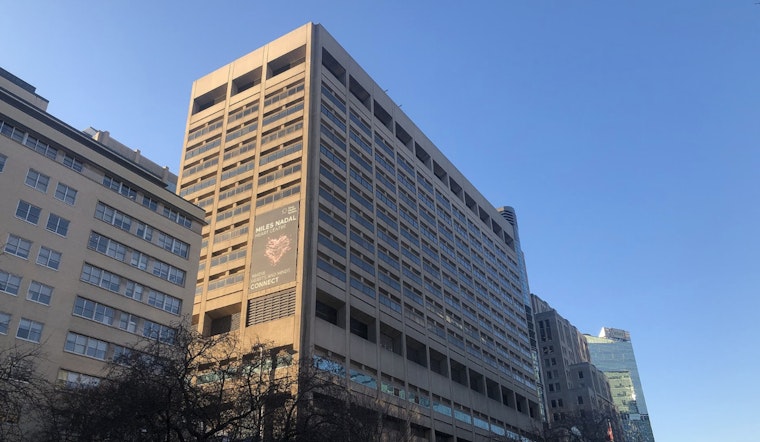
Mount Sinai Health System is rolling out face-scan check-ins across its hospitals and outpatient clinics, a move the system says will speed up intake and cut down on duplicate medical records. Instead of fumbling for IDs and stacks of forms, patients will be able to check in with a quick face scan at kiosks or on a tablet or smartphone. It is one of the largest deployments of biometric check-in technology in New York City healthcare to date.
In a press release via PR Newswire, Mount Sinai and CLEAR said the health system will be the first in New York City to use CLEAR1, the company’s identity platform, across seven hospitals and more than 400 outpatient sites, potentially reaching "hundreds of thousands" of patients. The release also notes that CLEAR1 is certified by the Kantara Initiative for NIST Identity Assurance Level 2 and Authenticator Assurance Level 2, certifications CLEAR says are designed for high-assurance health identity exchanges.
"At Mount Sinai, digital innovation is how we make care safer, simpler, and more connected for the communities we serve," Lisa S. Stump, Mount Sinai’s executive vice president and chief digital information officer, said in the release. CLEAR CEO Caryn Seidman Becker called healthcare "the most meaningful place" to deliver secure identity. The companies say previous CLEAR1 integrations have boosted digital check-in rates, reduced duplicated medical records, and freed up staff time for patient care, although they did not lay out a firm timeline for full activation across the system.
How the face-scan check-in works
Mount Sinai’s system is built around a one-time enrollment. Patients are asked to take a "liveness" selfie and scan a government-issued ID so the platform can cross-check biometric matches, document authenticity, and authoritative data sources. Once enrolled, verified users can check in at kiosks or confirm their identity with a provider using a face scan on a tablet or smartphone, as reported by Geekspin. The technology is set up to plug into electronic health records, patient portals, and clinician tools so a single identity can travel with the patient across the health system.
Privacy and legal questions
Biometric identifiers and full-face photographs are among the data points the Department of Health and Human Services says can make information protected health information when linked to medical records, meaning hospitals must treat that data under HIPAA safeguards, according to HHS. That regulatory backdrop is part of why privacy advocates have pushed for limits on facial recognition in public spaces and urged the City Council to restrict biometric surveillance, according to EPIC. For hospitals, the debate lands squarely on questions of data retention, consent, and potential misuse, even as they chase more efficient operations.
Clear's wider healthcare push
CLEAR has been steadily moving deeper into healthcare identity. The company recently won a contract with the Centers for Medicare & Medicaid Services to integrate CLEAR1 into Medicare.gov for account creation and recovery, part of a broader effort to add identity verification to federal and provider services, as reported by Investing.com. Industry reporting says the CMS deal, along with other partnerships, positions CLEAR as a major vendor for health-sector identity tools and provides the backdrop for the Mount Sinai collaboration.
What to expect at your next visit
Mount Sinai says patients will need to enroll only once to use the face-scan option, and that verified users can then check in at kiosks or with a quick scan on a provider’s tablet, according to early coverage. The announcement did not spell out a detailed schedule for when specific Mount Sinai locations will turn on the system for patient check-in. For now, patients are advised to ask their clinic whether CLEAR1 enrollment is available and how the new system might affect their visit.
The rollout is likely to draw close scrutiny from privacy advocates and patients who want more clarity on consent and how long facial data will be stored. Mount Sinai and CLEAR, for their part, say the immediate goal is safer, simpler access to care. Expect more digital options at Mount Sinai check-in desks in the months ahead, along with more questions about exactly how your face will be handled.





.jpg)