

























































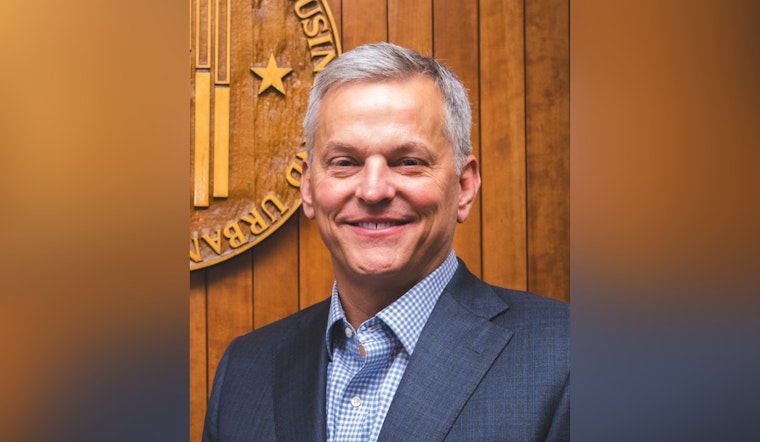
North Carolina's quest for sustainable energy has taken a significant step forward with the latest recommendations from Governor Stein’s Energy Policy Task Force. The interim report, released yesterday, outlines diverse approaches aimed at meeting the state's current and future energy needs, while maintaining affordability and environmental responsibility. Governor Stein expressed his optimism in a statement, acknowledging the Task Force's efforts and underscoring the importance of moving toward dependable, sustainable energy solutions for North Carolinians.
Confronting the state's mounting energy demand, which, is fueled by data centers, advancing manufacturing, and population growth, the Task Force composed of energy experts and policymakers has proposed several strategies. "Energy demand is rising rapidly in North Carolina," Department of Environmental Quality Secretary Reid Wilson told North Carolina Office of the Governor. He lauded the group's dedication to crafting potential solutions that prioritize economic feasibility, reliability, and ecological well-being.
It's not just about keeping the lights on; the reality of a burgeoning energy bill looms over North Carolina residents. Data from Duke Energy’s 2025 load forecast indicates an upward trend; energy demand could surge between 16% and nearly 60% by 2040. Residents have already seen their electricity bills spike by nearly 30% since 2017, a climb largely attributed to the volatile natural gas market. These mounting costs necessitate the innovative approaches recommended by the Task Force, which include reformed tariffs for high-load consumers, incentivizing energy efficiency improvements, and assessing the real economic impact of tax exemptions for data centers.
The Task Force, through painstaking effort since September 2025, has offered a suite of recommendations listed in the interim report, such as "develop options for large-load tariffs" and "explore residential and small business incentives for energy efficiency improvements." Representative Kyle Hall highlights the diversity of opinion within the group, "While we have reached a consensus, we did not do so unanimously," he explained to the North Carolina Office of the Governor. Hall's statement attests to the complex, multifaceted nature of energy policy development and the ongoing efforts required to refine these initial suggestions.
As North Carolina looks ahead to 2027 and beyond, the Task Force will continue to fine-tune its proposals.





.jpg)