

























































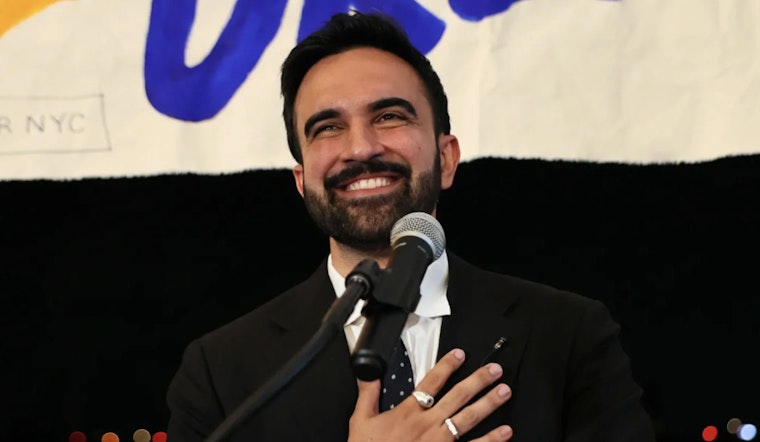
New York City Mayor Zohran Mamdani has proposed a 9.5% increase in property taxes to help address a $5 billion budget shortfall. The plan, described by the mayor as a “last resort,” has received pushback from local leaders and small business owners. According to ABC7NY, the proposal is tied to a request for Gov. Kathy Hochul to raise taxes on corporations and high earners, with the property tax increase contingent on state action.
The proposal could add roughly $700 to the annual expenses of typical homeowners and has faced criticism from some city stakeholders. Andrew Rein of the Citizens Budget Commission described the plan as a “false choice,” emphasizing that reducing city spending could be prioritized over raising taxes, according to a statement obtained by Gothamist. Ann Korchak, president of Small Property Owners of New York, also expressed concern about the potential financial strain on small property owners if rents are frozen while property taxes increase.
Queens Borough President Donovan Richards highlighted the potential impact of the proposed tax increase on senior citizens and other residents with limited income, noting its effect on the city’s affordability challenges. Critics, including Carol Kellermann, have described the proposal as a tactic to pressure acceptance of state income tax increases.
Some critics argue that Mayor Zohran Mamdani could address the property tax system without state intervention. Martha Stark, a former finance commissioner, told Gothamist that the Court of Appeals affirmed the city’s authority and obligation to assess properties uniformly. The proposed tax increase has not been dismissed, as City Council Speaker Julie Menin and Finance Chair Linda Lee indicate that budget discussions are underway, signaling ongoing review of the city’s financial strategies.
Alternative revenue options to Mayor Zohran Mamdani’s proposed tax increase are also being considered, according to a report by the Center for an Urban Future. One option cited is expanding metered parking, which could generate an estimated $1.3 billion annually without raising taxes or requiring state approval. These alternatives provide city leaders with options beyond politically sensitive tax increases.





