

























































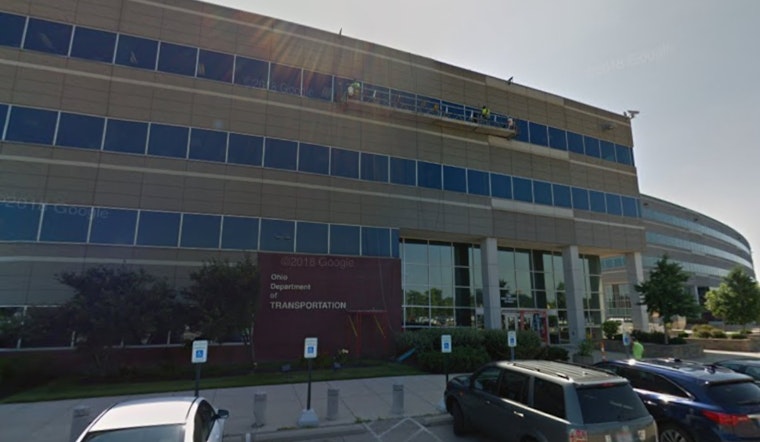
Two Ohio asphalt companies are cutting a massive check after federal investigators said their lab paperwork did not match reality. Prosecutors announced Wednesday that Kokosing Materials and Barrett Paving Materials agreed to pay a combined $30 million to resolve allegations they turned in fraudulent quality-control test results to the Ohio Department of Transportation for federally funded paving jobs. The case has local transportation officials taking a hard look at how much they trust contractor labs that sign off on pavement materials.
The payouts include $17.5 million from Kokosing Materials and $12.5 million from Barrett Paving Materials, federal prosecutors said, according to the Cincinnati Enquirer. Investigators allege lab technicians repeatedly submitted identical mixture test results instead of running fresh tests on new samples, a shortcut that can hide failing material and get substandard asphalt accepted, the outlet reported. Elise Chawaga of the U.S. Attorney’s Office said the settlements "underscore our unwavering commitment to keeping federally funded transportation projects in Ohio and across the nation free from fraud, waste and abuse," according to the Enquirer.
How investigators say the tests were faked
According to investigators, technicians reported passing numbers for mixture composition, compaction and density by copying or reusing earlier results rather than testing each new batch. On paper, everything looked just fine. In practice, that can let asphalt with the wrong binder content or gradation go down on the roadway and then fail early, forcing taxpayers to pay again for rework and repairs. Federal prosecutors allege that kind of copy-paste testing took place on projects that used federal funds for construction and maintenance, the Cincinnati Enquirer reported.
Why mixture testing matters
Those seemingly dry lab numbers are not just paperwork. Mixture tests that measure asphalt binder content, aggregate gradation and air voids feed into job-mix and quality-assurance systems that decide whether a pavement lot meets state and federal acceptance criteria. When the testing is accurate and independent, it is closely tied to how long a pavement lasts and whether agencies avoid expensive early failures. For technical background on mix design and quality assurance, see the National Academies.
Not an isolated problem
Ohio is not the only place seeing this kind of enforcement. In 2025, a Minnesota paving firm agreed to pay nearly $1.3 million after state and federal authorities alleged it routinely falsified asphalt test results, according to Engineering News-Record. That case, along with others, has put more pressure on transportation department inspectors and federal agencies that are supposed to safeguard taxpayer dollars.
What comes next
The federal settlements resolve the government’s civil claims against Kokosing Materials and Barrett Paving Materials, but they do not automatically wipe away every potential consequence. State transportation officials can still review completed work, order audits and look for additional recovery or corrective measures under contract rules. The timing also fits into a broader uptick in enforcement under the False Claims Act - the Department of Justice recently reported record FCA recoveries, according to the Department of Justice - and federal watchdogs have been flagging manipulation of test results as a problem area for agencies to watch, as outlined on Oversight.gov.
Industry groups and state engineers are expected to push for tighter oversight of contractor labs, stronger technician certification requirements and stricter acceptance sampling to cut down on test-result gamesmanship. The settlements resolve civil allegations and, by themselves, do not establish criminal guilt; in federal filings and settlement documents, these kinds of recoveries are treated as civil resolutions rather than criminal convictions.





