

























































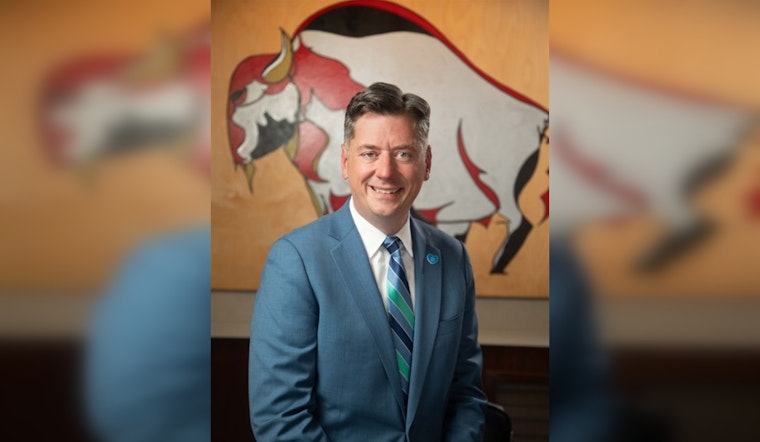
Oklahoma City voters head to the polls on Tuesday next week, with incumbent Mayor David Holt trying to lock in a third term while challenger Matthew Pallares works to turn a longshot bid into an upset. Holt, first elected in 2018, is running on a slate of unfinished infrastructure and development projects. Pallares is leaning hard on a message of more affordable housing and better transit. Only two names are on the ballot, but the stakes are oversized, with major projects, tight timelines and a role in the 2028 Olympics all on the line for whoever wins.
Election mechanics and who filed
The mayoral election is set for Tuesday next week, after two candidates filed in early December to get on the ballot. The job is officially part-time and pays $24,000 a year. If no candidate clears 50 percent of the vote, the top two finishers will head to an April runoff. Those details, along with the official filing list, are posted on the City of Oklahoma City’s news page, according to City of Oklahoma City.
Holt’s to-do list
Holt says he jumped back into the race because there’s a lot to implement, pointing to the need to finish MAPS 4 projects, launch work funded by the recently approved general obligation bond package and shepherd a new downtown arena from planning to opening. He has also been part of efforts that position Oklahoma City to host events tied to the 2028 Summer Games, which means the next term would mix routine city business with international spotlights and event logistics. Those priorities line up with venue announcements reported by USA Softball.
New arena timeline and what it means
City officials and the Oklahoma City Thunder have mapped out plans for a new downtown arena designed by MANICA, with a target opening in late summer 2028 under the current schedule. Design work and construction planning are already in motion. The arena project, along with related agreements, is meant to secure the Thunder’s long-term future in Oklahoma City and anchor a larger entertainment district downtown. The project timeline and design goals are laid out on the OKC Thunder’s arena page.
Pallares’ background and pitch
Matthew Pallares, 34, is the lone challenger. He works for the Greater OKC Hispanic Chamber of Commerce and previously ran for a seat on the Bethany council. At home, he is caring for a disabled sibling after his parents were killed in a June 2024 traffic crash, a responsibility he says shapes his focus on neighborhood services and affordability. Those biographical details and campaign themes were outlined in a candidate profile reported by NonDoc.
Housing and transit are flashpoints
Housing costs and transit policy are emerging as the hot-button issues of the race. Voters recently signed off on a sizable general obligation bond that included money for housing initiatives, and the debate now turns to how future taxpayer dollars should be divided between big projects and everyday needs. On the transportation side, regional planners are studying long-term options such as commuter rail or bus rapid transit corridors that could eventually connect Edmond and Norman with Oklahoma City as part of a broader Regional Transportation Authority planning effort. The GO bond results were covered by KOCO, and reporting on the RTA’s corridor work and regional studies has been summarized in local coverage, including OnTrac.
What to watch before Election Day
Early voting will be available in the days leading up to Tuesday next week's general election, and absentee ballot and voter registration deadlines are posted by city and county election officials. The Oklahoma County Election Board handled candidate filings, while the City of Oklahoma City offers a rundown of key dates and polling information. For official timelines and polling locations, voters can check the election notices from City of Oklahoma City.
Whether Holt secures a third term or Pallares manages to break through, the next mayor will inherit a crowded to-do list that stretches from basic neighborhood fixes to a marquee arena and Olympic-related events. Expect the closing days of the campaign to revolve around one big question: how Oklahoma City should balance splashy infrastructure projects with everyday concerns about housing costs and getting around town.





