

























































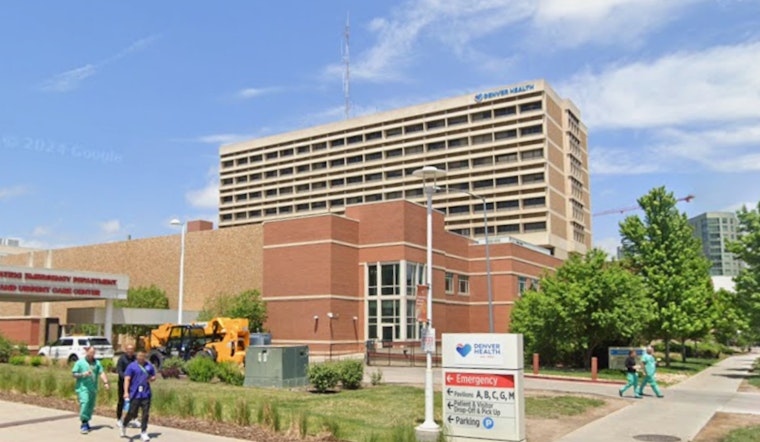
Denver Health is beefing up mental-health care inside Denver Public Schools as counselors and psychologists report more kids in crisis, and at younger ages. With school staff stretched thin, the health system plans to layer in more services that catch problems earlier while still keeping crisis support in place for students who are already seriously struggling. The idea is straightforward: keep kids healthy and in class by offering care during the school day instead of sending families on a scavenger hunt for outside appointments.
In a recent press release, Denver Health said a transformational gift from The Anschutz Foundation will fund an expansion of behavioral health services at its on-campus clinics. Denver Health operates 19 school-based health centers in the district and reported that those clinics served more than 14,000 students and provided over 61,000 medical, mental-health, psychiatry, dental and health-education visits in the 2024-25 school year. According to the health system, the investment is designed to build a sustainable, tiered model of care that reaches students earlier and reduces barriers such as transportation and cost.
Therapeutic response team saw hundreds of visits
As reported by Denver7, Denver Health's Therapeutic Response and Urgent Stabilization Team logged more than 500 visits last year and received referrals for children as young as 7. Danielle Vice, Denver Health’s director of school-based integrated behavioral health services, told Denver7 that "currently, we're serving students who are the most acute and have the most chronic mental health issues," and said the system is shifting toward a tiered approach that offers everything from early intervention to crisis stabilization. Denver7 also reported that Denver Health and DPS are in the planning phase to add another school-based health center, with hopes of opening it for the 2027-28 school year.
District staff say they're overwhelmed
Inside schools, the strain is obvious. "Our school social workers and school psychologists are mental health providers in our schools. They are overwhelmed," Meredith Fatseas, the district’s director of mental health and student well-being, told Denver7. She said universal screening shows not only more students seeking help but a rise in severity, particularly among younger children, and that almost 90% of students who receive treatment show improved attendance, a key marker schools use to measure progress.
State and national context
State and national numbers tell a complicated story. The Colorado Department of Public Health and Environment reported that youth suicide among ages 10-18 fell to its lowest rate since 2007 in 2024, a sign that prevention efforts may be making a dent. CDPHE cautioned that any suicide is still too many, while nationwide surveillance from the CDC shows continued high levels of suicidal thoughts and attempts among teens. Taken together, the data help explain why school-based access to care remains a priority instead of a nice-to-have.
What families should know
For parents, the basics are key. Denver Health and DPS say school-based centers are free to any child with a DPS ID, and services are also available to siblings and children in district early-education programs, according to the health system. The Denver Health Foundation notes that services include in-clinic mental-health counseling, medical care, dental services at select sites and telehealth options. Families can ask school staff about referrals or contact Denver Health's school-based health center program directly to schedule appointments.
District leaders acknowledge that the grant and staffing changes will not solve the broader shortage of child mental-health providers. Their bet is that making care routine and local will cut down on absences and keep more students learning. The strategy, they say, is to catch problems early and make sure children who do need crisis care can get it quickly, without leaving campus or falling further behind in the process.



