

























































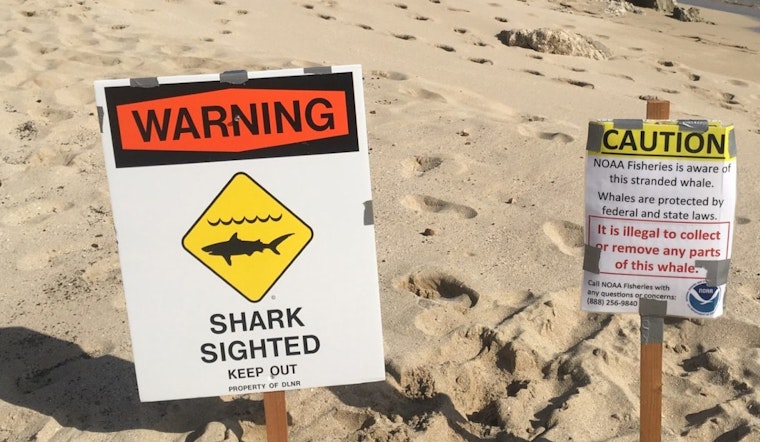
Part of the Kona coast has quietly turned into a buffet for big predators after a decomposing sperm whale, or palaoa, drifted onto a lava flat near Makalawena and began shedding blubber into the surf. The carcass has been under watch for weeks, and recent winds and currents pushed it into the shoreline zone where tiger sharks, oceanic whitetip sharks, mahi‑mahi and visiting dolphins have been seen feeding. Waters between Makalawena and Honokōhau are now flagged as areas of particular concern, with whale fragments already washing ashore and posing risks to swimmers, pets, and beachgoers.
What officials are saying
According to a news release from the Department of Land and Natural Resources, the Division of Aquatic Resources has been tracking the palaoa since Feb. 6 and is working with Kiaʻi Kanaloa and NOAA to follow its drift and monitor predator activity. "This is nature doing what it does to recycle essential nutrients into the marine ecosystem," Kiaʻi Kanaloa Executive Director Roxane Keliʻikipikāneokolohaka said in the release. Officials say that if people encounter pieces of the carcass, they should leave them where they are so the material can naturally biodegrade and continue to feed coastal wildlife.
Safety advice for beachgoers
Local reporting on the DLNR alert highlights a short list of non-negotiables for anyone heading to this stretch of coast: stay out of the water where predators are feeding, scan the shoreline for oil slicks or blubber in the shallows, and do not approach or touch any remnants to avoid getting sick. With high winds and strong currents buffeting the area over the past three weeks, officials say more fragments are likely to come ashore. Beachgoers are advised to keep dogs on leashes and to steer clear of the area entirely if they notice a strong smell of decay. Maui Now
Legal protections and what they mean
Federal law is in play here. All marine mammals are protected under the Marine Mammal Protection Act, and NOAA Fisheries lists the sperm whale as endangered throughout its range, which makes taking any parts of the animal illegal without explicit authorization. Agencies emphasize that only trained responders should handle carcass material and that unauthorized disturbance can trigger federal penalties. NOAA Fisheries
How agencies may respond
The U.S. Coast Guard issued a marine safety bulletin on Feb. 6 advising mariners to move through the area with caution and to report any sightings while state and federal teams decide whether to let the carcass fully biodegrade in place or remove it if it becomes a navigation or safety hazard. U.S. Coast Guard
In previous incidents, state crews have at times removed and buried whale carcasses or arranged cultural blessings and tow‑outs in partnership with Native Hawaiian practitioners. Hawaii News Now
If you encounter pieces of the whale or notice increased shark activity, report sightings to U.S. Coast Guard Sector Honolulu at 1‑800‑552‑6458 or via VHF Channel 16, and contact the DLNR Division of Aquatic Resources for the latest guidance. Officials stress that leaving the carcass material undisturbed helps support coastal ecosystems while cutting down on public-safety risks during this natural recycling process. Department of Land and Natural Resources





