

























































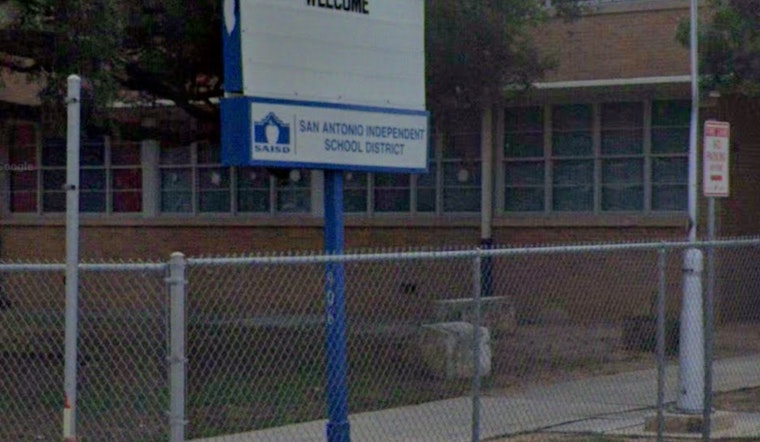
San Antonio Independent School District leaders on Tuesday unveiled a sweeping plan to shrink the district’s footprint and swap aging buildings for fewer, larger, state-of-the-art campuses. Internally billed as a “new way forward,” the strategy is designed to cut maintenance costs, expand academic programs and slow a steady enrollment slide.
School officials laid out the vision at a State of the District event on Feb. 10, describing a mix of new construction and campus consolidation, as reported by San Antonio Report. Mayor Gina Ortiz Jones told attendees that "there is no future of our city without a strong SAISD," and district leaders called on business and civic partners to help strengthen workforce pipelines. Staff said the plan stems from years of declining enrollment and the mounting cost of keeping older buildings running.
What the plan would change
District leaders have outlined an “ideal” network of roughly 50 campuses, down from the mid‑80s currently operating, which they say would free up resources for thematic programs and wraparound services, as reported by San Antonio Express‑News. Enrollment has dropped in recent years, leaving more empty seats and pushing the district into repeated rightsizing efforts that began in 2023. Officials say only a portion of existing campuses have enough classroom and gym capacity to take in students from schools that close, which complicates any consolidation map.
Funding the new way forward
Deputy Superintendent Patti Salzmann described the strategy as a two part effort, “build new and consolidate,” and said SAISD could use unspent 2020 bond dollars while preparing a new bond request for voters this November, according to San Antonio Report. Salzmann argued that renovating many historic buildings would likely cost more than replacing them, and officials pointed to roughly $95 million spent on heating and cooling upgrades last year as an example of rising maintenance costs. Staff added that any decision to close or rebuild a specific campus would require months of planning and community engagement.
Carvajal closure underscores the stakes
One early test case is Carvajal Elementary on the West Side. Trustees voted in January to close the long running campus at the end of the 2025‑26 school year because of low enrollment and repeated failing state accountability ratings, San Antonio Express‑News reported. The district is weighing options for the Carvajal and neighboring Rhodes sites, including redirecting unspent bond funds toward a new pre‑K–8 academy for the neighborhood.
Parents, community and what to expect
At community meetings, parents told reporters they are anxious about losing a neighborhood school, worried about transportation logistics and unsure whether bond dollars will follow students, as documented by KSAT. District leaders say they will prioritize student placements and staff transfers and insist that any redevelopment will be shaped by local input, while residents and advocates have promised close oversight as the plan moves ahead.
What to watch next
Trustees and district staff say the work will stretch over months, with additional community sessions, detailed design work and a likely bond timeline that could put construction decisions on the November ballot. For residents, the central question is whether fewer, larger campuses can deliver better outcomes without hollowing out the neighborhoods those schools were built to serve.





