

























































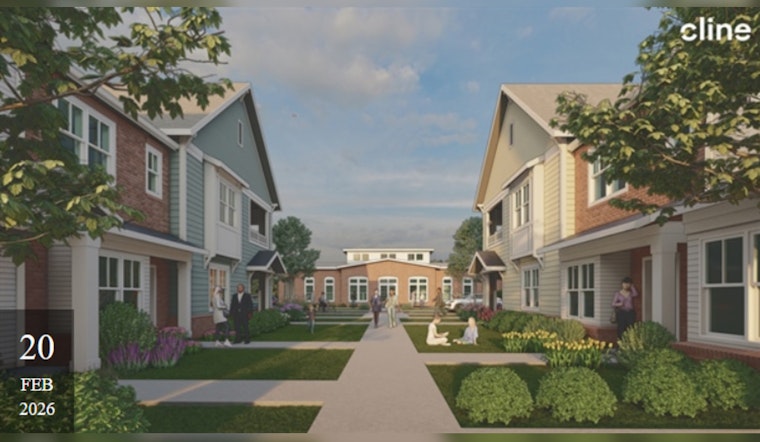
Salisbury officials have tapped two North Carolina nonprofits to turn the long-idle Kesler Mill site into a mixed-income neighborhood of roughly 150 homes, a move that finally pushes the city-owned 13-acre brownfield toward redevelopment after years of planning and cleanup.
In a Tuesday vote the Salisbury City Council selected DreamKey Partners and Self-Help Ventures Fund as the preferred development team, launching a negotiation period that will include a memorandum of understanding, community engagement and a development agreement, according to the City of Salisbury. The partners are teaming up with Raleigh- and Charlotte-based architecture firm Cline and site designer LandDesign on a concept that envisions about 150 residential units serving families and older adults across a range of incomes.
The development team
DreamKey and Self-Help emerged from a competitive field of eight applicants, with both groups pointing to long track records in nonprofit housing development, as reported by WCNC. DreamKey leaders cast the Kesler Mill effort as deeply community focused, while Self-Help highlighted its local lending relationships and its experience delivering affordable housing in Rowan County.
Site history and cleanup
Kesler Mill, a former textile complex that shut down in 2003, sits on roughly 13 acres at North Martin Luther King Jr. and Park avenues and entered a brownfields cleanup process that officials said wrapped up in 2023, as reported by the Salisbury Post. Earlier planning work with UNC’s Development Finance Initiative, paired with community input, produced several design options. One proposal outlined a mix of senior rentals, family units and a handful of single-family homes and pegged the total public and private investment at roughly $43 million.
Next steps and financing
The council’s endorsement sets off negotiations and due diligence. City officials say the project is expected to rely on competitive Low-Income Housing Tax Credits along with other financing tools and to roll out in phases so that final unit counts, rental targets and levels of public investment can be nailed down. Additional community meetings and formal steps toward a development agreement are anticipated as the team works through detailed site planning and financing.
Why it matters
If it comes together as envisioned, the redevelopment would add homes targeted to seniors and low- to moderate-income working families in a market where options at those price points are limited. City leaders have framed the Kesler Mill overhaul as both a housing solution and a broader neighborhood investment, and choosing nonprofit developers signals a focus on affordability and long-term community stewardship rather than a quick, purely market-driven flip.





