

























































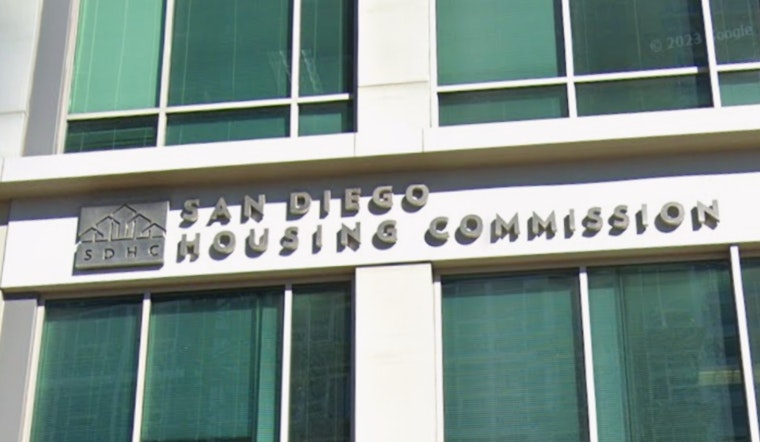
Hundreds of San Diegans who used federal Emergency Housing Vouchers to move off the streets are now staring down the loss of that lifeline this fall, as the program’s funding runs out earlier than expected. Local housing officials say roughly 386 households stand to lose an average of $2,300 a month in rental assistance, a hit that could force many to choose between leaving their neighborhoods or risking a slide back into homelessness. The fallout is expected to land hardest on seniors, people with disabilities, and households surviving on very low incomes.
How Many Will Be Affected
According to the Times of San Diego, San Diego was awarded 501 Emergency Housing Vouchers and has issued every last one. By this fall, the 386 households still using them are set to lose an average of $2,300 in monthly rental subsidies. The San Diego Housing Commission says the remaining federal EHV dollars are expected to stretch into fall 2026 and that families will receive at least 90 days’ notice before their final rental assistance payment, according to SDHC.
Federal Decision And Why It Matters
In a March 6, 2025 letter, HUD told local public housing authorities to operate their Emergency Housing Voucher programs with the expectation that no additional funding from HUD will be forthcoming, prompting agencies to prepare for an early phaseout, CalMatters reported. The voucher program was launched in 2021 with about $5 billion from the American Rescue Plan and was supposed to last through 2030, but rapid rent hikes and higher-than-expected use have drained the pot sooner than planned, according to The Washington Post.
Who’s At Risk
SDHC officials say the EHV tenants are among the most vulnerable renters in the region: about 43 percent live with a disability, roughly one-third are seniors, and the average household income is just over $17,000 a year, the Times of San Diego reports. So far, 67 EHV households have moved into project-based units that SDHC is prioritizing, but many recipients have declined offers due to issues such as location, unit size, or not being ready to move. One recipient described finally having a stable place to live by saying, “I have sanctuary,” underscoring what is now at stake.
Local Response And Options
To squeeze every remaining dollar, SDHC has added an EHV preference to its project-based voucher waitlist and is leaning on incentive and move-in assistance to speed up placements, while assigning staff to help families secure leases, per SDHC guidance and U.S. Department of Housing and Urban Development materials. The agency warns that project-based placements will cover only a fraction of affected households and has asked HUD for extra flexibilities as it prepares to formally alert tenants that the program is ending. HUD fact sheets also describe local landlord incentives and housing specialist roles that have been used to boost lease-up rates.
Legal Protections And Next Steps
The Legal Aid Society of San Diego is urging EHV tenants to get proactive: apply for the SDHC project-based voucher waitlist, make sure the EHV preference is noted, look into month-to-month leases where possible, and seek help with security deposits or reasonable accommodations. Their guide outlines local resources and step-by-step advice at Legal Aid. SDHC and advocates say households should reach out to caseworkers and legal services early so paperwork, moves, and any assistance can be lined up while federal options remain uncertain.
For now, tenants, advocates and housing officials say they are bracing for a rough year while watching for any congressional or federal fix that might keep the rental aid flowing. SDHC and local legal groups say they plan to keep pushing for options and to walk households through whatever comes next.





