

























































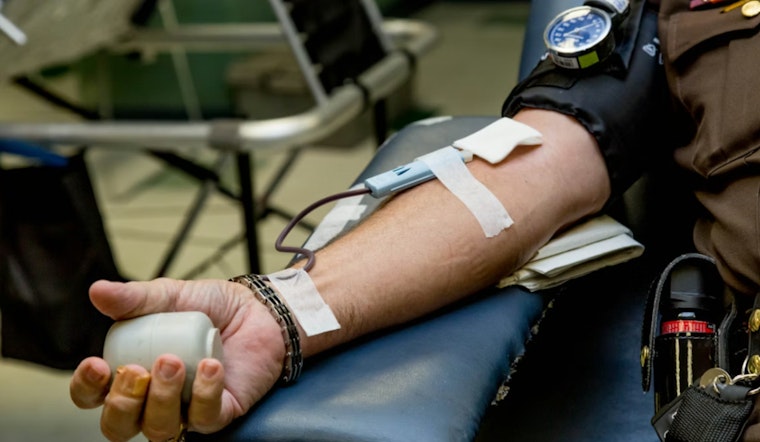
The snow that shut down roads across Greater Philadelphia also quietly knocked out a big chunk of the region’s blood supply recovery, wiping out roughly 1,000 potential donations and putting fresh pressure on already tight hospital inventories.
Local Red Cross Centers Closed After Storm
All nine American Red Cross donor centers in Southeastern Pennsylvania were closed for two full days because of the storm, which led to the loss of about 1,000 blood and platelet donations, according to WHYY. Jennifer Graham, CEO of the Red Cross’ Southeastern Pennsylvania region, reminded residents that “the need for blood doesn't take a holiday,” as staff now work to reschedule missed appointments and rebuild inventories.
National Shortage Still Driving Local Pressure
The local setback comes on top of a broader crisis. The American Red Cross declared a severe national blood shortage in January after its supply dropped about 35% in a single month, according to a press release from the American Red Cross. Flu season and harsh winter weather forced hundreds of blood drive cancellations across the country, leaving fewer units to distribute to hospitals, including those in the Philly area.
A Small Donor Pool Leaves Little Margin
The system was fragile even before the storm. An estimated 62% of people in the United States are eligible to donate blood, but only about 3% actually roll up their sleeves each year, according to America's Blood Centers. That thin donor pool means any disruption, such as a couple of snow days, can quickly ripple into delays for cancer treatments, scheduled surgeries and trauma care.
Why Timing Matters: Shelf Life and Speed
Blood products also come with an expiration date. Red blood cells can usually be stored for about 42 days, while platelets last only a few days, according to the American Red Cross. On the upside, donations move fast through the system, with units often processed and ready for hospital use in as little as 48 hours, which is why officials are hustling to refill appointment slots and restart canceled drives, WHYY reports.
How To Help
A standard whole blood donation typically takes less than an hour from check in to walk out, and many centers now offer tools like RapidPass or app based check in to speed things along. Local providers, including the Miller-Keystone Blood Center, are urging eligible donors to lock in appointments in the coming days so hospitals are not forced to triage which patients receive limited units.


