

























































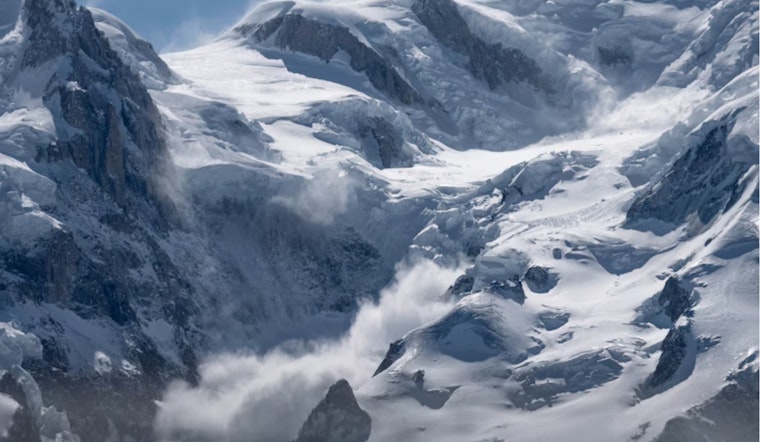
A Summit County skier is lucky to be alive after triggering a large avalanche in the Montezuma backcountry on Thursday, Jan. 29, getting swept down the slope, partially buried, and seriously hurt before managing to dig himself out and ride his snowmobile back out.
What Happened
As reported by the Denver Gazette, the Colorado Avalanche Information Center says the skier triggered the slide near Montezuma in Summit County, was caught and carried, then partially buried. He ended up with a serious lower-leg injury but still managed to self-extricate and reach his snowmobile, a painful reminder of how quickly a fun backcountry lap can turn into a rescue scenario.
CAIC Warns Of Considerable Danger In Northern Mountains
The Colorado Avalanche Information Center currently lists "considerable" avalanche danger for the Northern Mountains. Forecasters say natural avalanches are unlikely, but human-triggered slides are likely on certain slopes, especially where recent winds have loaded east, southeast, and south-facing aspects. That wind loading has shifted risk onto slopes that had been safer earlier in the season, and CAIC is advising riders to stick to lower-elevation, wind-sheltered terrain and to avoid slopes steeper than about 30 degrees.
You can find daily forecasts and safety guidance from the Colorado Avalanche Information Center before you head out.
Why Montezuma Matters
Montezuma is a well-loved sidecountry and backcountry zone, but its steep gullies and chutes can hide weak layers and wind-drifted slabs that react quickly to changing weather, according to Backcountry Recon. Combine that kind of complex terrain with the recent wind loading CAIC described, and it is easy to see how a line that felt fine earlier in the winter can suddenly fail under a skier's weight.
Know Before You Go
Anyone heading into the backcountry should carry a beacon, probe, and shovel, and should regularly practice companion rescue so those tools are more than just decoration in the pack. When the danger rating is considerable, conservative terrain choices are key: check the CAIC forecast and recent observations, then favor low-angle, wind-sheltered routes and give steeper slopes a wide berth.




