

























































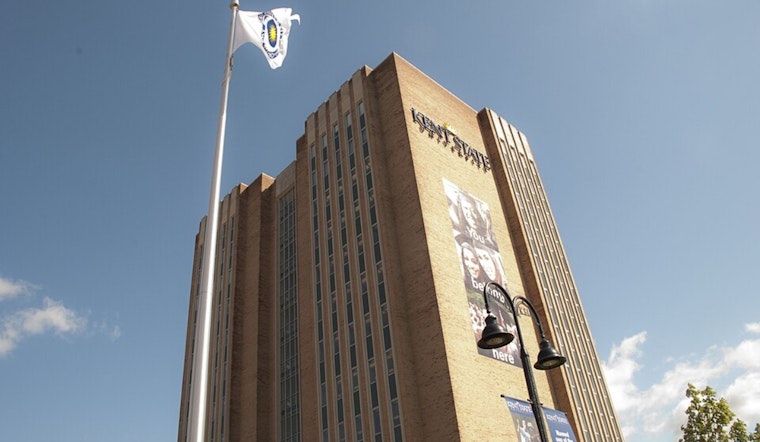
Undercover videos released this month are putting the University of Cincinnati and Kent State University under the microscope, with staff caught on hidden camera saying diversity, equity and inclusion still sit at the heart of coursework and teacher training. The footage, posted online by Accuracy in Media, comes nearly a year after Ohio’s Advance Ohio Higher Education Act, or Senate Bill 1, became law and restricted DEI initiatives at public colleges.
The recordings have raised fresh questions from local reporters and the watchdog group about whether Ohio’s public universities are truly in step with the state’s DEI ban. University leaders, for their part, are insisting they follow the law, while how the state might enforce those rules remains very much an open question.
What the videos show
In one of the undercover clips, a University of Cincinnati sociology program director speaks with an investigator posing as a parent and is asked whether a child would still receive an education that includes DEI. The administrator answers, “Yes, and he will,” and describes diversity-related conversations as “baked into” the department’s curriculum, according to Accuracy in Media.
A separate recording at Kent State captures a director in the educator-preparation program describing the school’s teacher-training offerings as “all about diversity, equity and inclusion” and suggesting that critics “want to keep the white men in power,” the group reports. Across the clips, staff members talk about how their departments continue to handle equity and inclusion topics after SB1 took effect, and those conversations have become the heart of the compliance questions now swirling around both campuses.
Universities respond
Kent State responded with a written statement that drew a line between the employee’s comments and the university’s official stance. “Simply put, Kent State complies with the laws of the State of Ohio. The employee in the video does not speak for Kent State as an institution and appears to be largely expressing her personal point of view,” the school said, according to Local 12.
The University of Cincinnati’s media-relations office did not provide a response to Local 12 at the time of its reporting.
The law in a nutshell
Ohio’s Senate Bill 1, formally titled the Advance Ohio Higher Education Act, was signed by Gov. Mike DeWine on March 28, 2025, and imposes wide-ranging new rules on public colleges. The law places limits on DEI offices and training, requires institutions to promote "intellectual diversity," and adds transparency rules such as posting course syllabi, according to The University of Toledo. It also sets up a complaint process and gives the state chancellor oversight authority intended to monitor compliance across Ohio’s public higher-education system.
Legal implications
Under SB1, institutions are required to eliminate DEI programs covered by the statute and to answer formal complaints. Legal summaries of the bill note that violations could lead to sanctions, including reduced state funding, and that the chancellor is expected to publish compliance reports, according to Infoverus. Those provisions effectively put trustees and presidents on the hook for how classes are structured and how institutional dollars are spent in light of the new rules, and they make public reporting a key lever for any potential enforcement.
What officials said and what’s next
Adam Guillette, president of Accuracy in Media, told local reporters that he believes the undercover footage shows noncompliance with state law and questioned why an interim associate dean would appear to speak for a college, according to Local 12.
Local 12 also reports that the station requested comment from Ohio Attorney General Dave Yost’s office and from the University of Cincinnati’s media-relations team and had not received a substantive reply. Whether the videos will lead to formal complaints to the chancellor’s office or trigger a state inquiry is still unclear, but they have already drawn renewed attention from watchdogs and newsrooms.
For now, trustees and campus leaders say they are trying to balance academic freedom with the new legal mandates, and the undercover recordings have only sharpened the question of how, and by whom, that balance will ultimately be enforced.





