

























































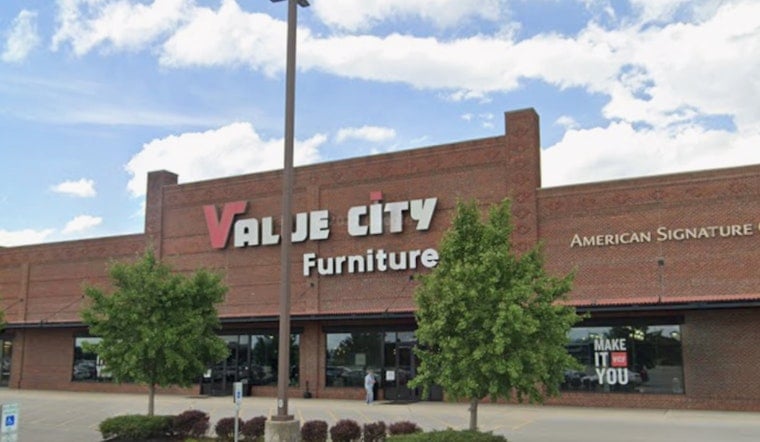
Value City Furniture, the Columbus-born discount furniture chain, is winding down for good after its parent, American Signature Inc., failed to land a buyer in a court-supervised sale and kicked off company-wide liquidation sales on January 10, 2026. The shutdown will close remaining local stores, including the Value City on West Dublin-Granville Road, and puts hundreds of corporate and store-level Columbus jobs at risk. Customers who put deposits down on undelivered furniture now face an uncertain road to refunds as the bankruptcy and liquidation processes unfold.
Local media and retail watchers have been busy trying to sort out what the collapse means for Columbus and for discount furniture shopping more generally. As reported by WOSU Public Media, the chain’s meltdown was the focus of a January 29, 2026 panel discussion on the future of retail. TheStreet reports that after a fast sale process produced no third-party buyer, a joint venture of SB360 Capital Partners, Hilco Global and Gordon Brothers began going-out-of-business sales at the company’s remaining stores on January 10, 2026.
Why the chain folded
In court filings, the company cited a steep drop in housing-related demand and rising costs, with co-chief restructuring officer Rudolph Morando calling it “one of the most severe housing market declines in recent history.” According to Retail Dive, net sales fell sharply from 2024 to 2025 and liquidity tightened in the runup to the November 2025 Chapter 11 filing.
Local impact: Columbus stores, HQ and workers
For central Ohio, the story is bigger than some empty showrooms and lost coupons. Public filings and reporting indicate the company plans to wind down operations that include its Columbus corporate base and dozens of stores. Court summaries and case timelines show that the headquarters at 4300 E. Fifth Avenue is slated for closure, and WARN notices describe hundreds of terminations beginning in January, according to filings and coverage compiled on the case. Case notes and summaries also list the West Dublin-Granville Road store as one of the Columbus locations running closing sales.
What shoppers should know
For anyone still eyeing a “deal,” there are strings attached. The company’s public statements and the court record spell out that stores are in liquidation mode while inventory lasts, returns are limited, and gift cards are no longer being accepted at closing locations. TheStreet and company notices explain that customers who put down deposits for undelivered orders may need to file a proof of claim in the bankruptcy case or seek chargebacks through their card issuers. Information about claims is being handled through the company’s retained claims agent.
Legal questions and next steps
Behind the scenes, the bankruptcy has raised some pointed questions about governance and potential conflicts of interest. Affiliated parties tied to the company’s controlling family played roles in the stalking-horse bid, the debtor-in-possession financing and the liquidation plan, according to court materials. Case overviews describe an accelerated Section 363 sale timeline, an affiliate stalking-horse bid and creditor objections that could lead to heightened judicial scrutiny under an “entire fairness” standard. Case coverage and filings lay out the key dates and the issues that creditors are tracking.
Retail ripple: Where this fits
Value City’s collapse lands in the middle of a broader wave of retail restructurings hitting both bargain and high-end brands. Higher borrowing costs, tariffs and weak housing activity have combined to squeeze furniture demand and brick-and-mortar profitability. The pressure is not unique to Columbus: national coverage has noted similar strain at larger players, including the recent Chapter 11 filing by Saks Global, underscoring that the stress is industrywide rather than a one-off. For context on concurrent luxury-market restructurings, see reporting by The Washington Post.
For Columbus, the liquidation closes a long chapter for a hometown retail name and leaves workers, landlords and shoppers dependent on court calendars and claims procedures to determine who gets paid and what becomes of the now-uncertain storefronts. In the coming weeks, filings and orders will dictate how quickly stores go dark for good and what the final distributions to creditors - and any relief for affected employees and customers - ultimately look like.



