

























































Every school day in the Las Vegas Valley, crossing guards say they are one bad decision away from disaster. Some say flat out they would step in front of a moving car if that is what it takes to keep children safe.
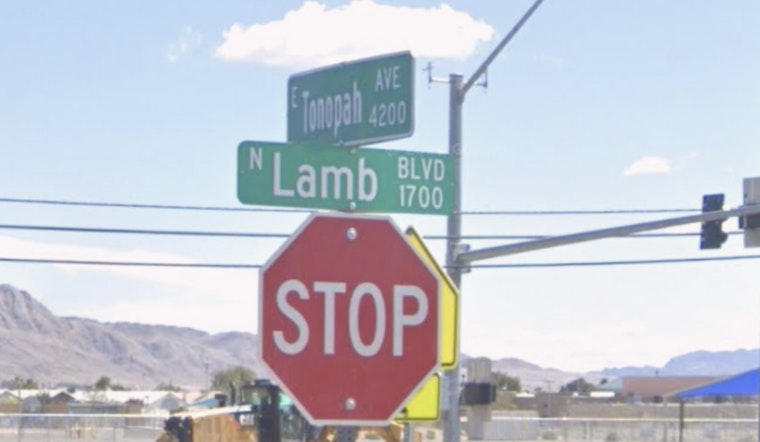
The warning has sharpened since a hit-and-run last November at Lamb Boulevard and Tonopah Avenue, where a guard was struck, thrown onto a car’s hood and later treated for injuries. Guards and supervisors say the standard safety playbook, which tells them to hold children on the curb and walk out first to clear the intersection, often puts their bodies between speeding or distracted drivers and the kids they are trying to protect.
As reported by FOX5, reporter Joe Vigil reviewed dash-cam video from the Lamb and Tonopah crash and sat down with crossing guards and managers to talk through the daily hazards. They walked him through the behaviors they consider the worst: drivers parking on crosswalks, pulling illegal U-turns in school zones, dropping kids into live traffic lanes, and speeding while glued to their phones. Guards and supervisors told the station they deliberately step out first and hold children back so that if someone does not stop, it is the adult who is hit, not a student.
Training, staffing and close calls
Clark County contracts with All City Management Services to staff many school crossing posts and has recently held recruitment events to fill empty spots and increase coverage, county officials said. Clark County stressed that the job requires reliable, trained workers who are screened for their willingness to manage traffic risks in fast-moving school zones. The core duties, according to the county and its contractor, focus on stopping traffic and supervising student crossings during the busiest pick-up and drop-off windows.
Officials and parents link those front-line efforts to a broader spike in pedestrian crashes across the valley that has prompted new engineering fixes and more guard posts in certain neighborhoods. The Las Vegas Review-Journal reported recent projects that added pedestrian flashers and other upgrades at intersections where students had been hit. Advocates say early pilot programs that place adults at crosswalks have cut down on crashes during school rush hours, but they argue that better enforcement and better driver behavior still have to catch up.
“They will take a car on their own before a child takes it,” a crossing-guard trainer told Vigil during his reporting, according to FOX5. Guards estimate that roughly 20% of drivers cause most of the dangerous situations they see, while the other 80% generally follow the rules. That imbalance, they told the station, means nearly every shift includes at least one close call or a scare that leaves adults badly shaken.
Legal stakes and enforcement
Under Nevada law, drivers who fail to stop and render aid after a crash that causes injury or death can face felony charges. The law requires motorists to stop at the scene, exchange information and help anyone who is hurt. As outlined in the Nevada Revised Statutes, penalties increase significantly when a collision results in bodily harm. Authorities say the Lamb and Tonopah case is still under investigation and that both witnesses and video evidence are part of the ongoing probe.
Local reporting and community groups have pressed the city to add more crossing guards and safety infrastructure after several high-profile crashes in recent months. Hoodline covered the city’s decision to expand crossing-guard coverage and budget following a student’s death last summer. Guards and parents say bringing on more trained staff, coupled with consistent enforcement of school-zone rules, would go a long way toward cutting the near-daily close calls at corners across the valley.
Police and traffic-safety groups say the long-term fix has to blend engineering, enforcement and education. Metro has rolled out “Joining Forces” enforcement campaigns and used extra traffic patrols funded by state grants to target both speeding and pedestrian violations. LVMPD materials remind drivers to slow down in school zones and yield to people in the crosswalk. For crossing guards and parents, the message is the same: ease off the gas, respect the signs, and give the adults in the vests enough room to get kids across the street safely.





