

























































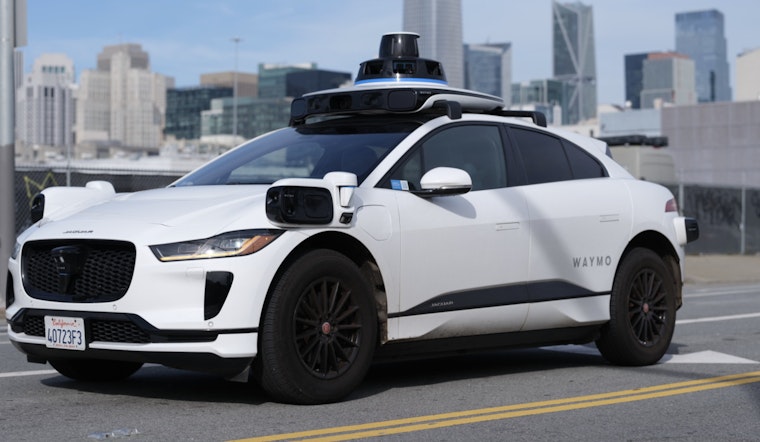
Waymo is quietly turning up the heat in Washington, D.C., pouring money into local lobbying while the city keeps its driverless robotaxis firmly in park. The company continues to run sensor-loaded Jaguars around D.C. with human safety drivers behind the wheel, but council members say they will not sign off on rider-only service until they see a long-awaited safety study from the District Department of Transportation (DDOT). The expanded lobbying lineup and hefty retainers signal that Waymo is eager to jump-start a permitting process that has lagged behind the company’s broader national ambitions.
Waymo's D.C. lobbying push
Public disclosure filings show Waymo has bulked up its Washington roster, adding eight current or former company officials to its in-house team and bringing on outside firms such as Cornerstone Government Affairs and Thorn Pozen, according to Axios. The same filings show Waymo cutting $10,000 monthly checks to a firm founded by former councilmember David Catania and to veteran lobbyist Janene Jackson. All of that spending lands as Waymo taps fresh capital and tries to accelerate its national rollout.
Why the council is holding the brakes
Back in 2020, the D.C. Council passed the Autonomous Vehicles Testing Program Amendment Act, which ordered DDOT to deliver a report with recommendations and draft legislation on how to safely integrate autonomous vehicles onto city streets, according to D.C. law. That report has effectively become the rulebook in waiting. Several council members now point to that statutory requirement as the standard they plan to use before voting on any plan that would allow fully driverless service.
DDOT's study is still missing
There is one problem: DDOT still has not released the report lawmakers have been expecting. Coverage of the issue has pointed to budget and staffing challenges inside the agency as reasons the work slowed. Wired reported that DDOT’s timetable slipped amid those constraints and that the delay has become the main reason the council is holding off on new approvals.
Council split, mayor caught in the middle
Ward 6 councilmember Charles Allen has publicly argued that DDOT’s analysis needs to land before any legislation advances and has faulted Mayor Muriel Bowser for not issuing permits that would allow driverless testing. The mayor’s office has pushed back, saying "it’s not us," according to Axios. That reporting also notes that DDOT told Waymo the study "is being actively worked on and could be finished by this summer," and that a DDOT spokesperson said the agency expects to put forward recommendations later this year.
On the council itself, views are far from unified. Councilmember Janeese Lewis George has said she does not believe the District is ready for robotaxis and has picked up an endorsement from a major local union that is worried about job losses if autonomous vehicles take hold. At-Large Councilmember Kenyan McDuffie, meanwhile, has gone in the opposite direction, introducing a bill that would explicitly legalize autonomous vehicles.
What it means for riders — and Waymo
While the D.C. process creeps along, Waymo is not exactly standing still elsewhere. The company has been using new capital to rapidly expand into additional markets, even as it continues to quietly map Washington’s streets. Wired reports that Waymo has been testing Jaguar I-PACE vehicles in the city with a human safety driver in the front seat, a kind of halfway step that lets the company keep collecting data and ironing out problems while the path to true driverless service in D.C. stays murky.
What's next
For now, the clock is set by DDOT’s unfinished study and the council’s appetite for new regulations. Lawmakers say that until the agency issues its recommendations, they are not ready to move on broad permits for driverless service. In the meantime, expect more lobbying disclosures, public hearings and sharp-elbowed debate as Waymo turns up the volume, labor groups dig in and city officials weigh safety, jobs and access all at once.





