

























































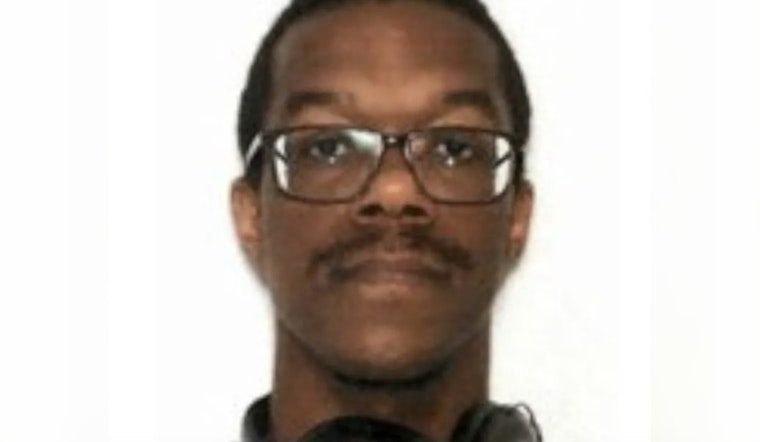
Brian J. Cole Jr., the Virginia man accused of planting pipe bombs near the Republican and Democratic National Committee headquarters on the eve of the Jan. 6, 2021, Capitol attack, is trying to end his case with a single stroke of presidential ink. His lawyers have asked a federal judge to toss the criminal charges, arguing that President Trump’s sweeping Jan. 20, 2025, proclamation pardoning most Jan. 6-related offenses wipes Cole’s slate clean. The move turns what was once a long-running explosives mystery into a test case on how far presidential clemency can really go.
In a motion filed Monday, Cole’s attorneys say the charges against him are “inextricably and demonstrably tethered” to Jan. 6 and are therefore covered by the pardon, according to CBS News. They point to the proclamation’s broad “related to” language and argue that it should apply even though the devices were allegedly placed the night before the riot. In their telling, the plain text of the proclamation ties prosecutors’ hands.
Cole was charged late last year with interstate transportation of explosives and malicious attempt to use explosives, according to a U.S. Attorney's Office for the District of Columbia press release. Government filings and a Justice Department detention memorandum describe investigators recovering bomb components and other evidence, and say surveillance footage and cellphone data place a person matching Cole’s description in the area when the devices were planted. Authorities say the devices were found on the afternoon of Jan. 6, 2021, and that forensic testing showed they were viable explosive devices, all laid out in the public court record.
The defense is pinning its hopes on the presidential proclamation that granted “a full, complete and unconditional pardon” to people convicted of offenses “related to events that occurred at or near the United States Capitol on January 6, 2021,” and that told the attorney general to seek dismissal of pending indictments, according to the White House. Cole’s lawyers argue that because the bombs were discovered amid the chaos of Jan. 6, his case falls squarely within the proclamation’s “related to” language.
Legal questions ahead
Federal judges are now working through how broadly to read the executive’s wording and whether it sweeps in separate weapons charges or other related counts. Courts have split so far, and in several cases prosecutors have changed their own positions on whether the pardons apply, a pattern noted by Law&Crime. That uneven record suggests Cole’s motion could trigger lengthy briefing and possibly an appeal over what exactly “related to” means in this context.
Cole entered a not-guilty plea in January and remains in custody while the case proceeds, The Associated Press reported. The court is expected to set deadlines for the government to answer the dismissal request and for the judge to weigh whether the pardon, as written, blocks the prosecution. If the judge sides with Cole and dismisses the case with prejudice, the White House directive could gain immediate, far-reaching force. If the judge rejects the argument, prosecutors can keep pressing the charges and let higher courts sort out the limits of the pardon.
Either way, legal watchers in Washington will be paying close attention. Cole’s case is about more than one defendant, it is a live test of how far a president’s clemency power can stretch when it is applied to politically charged conduct around the Capitol. For now, the fight turns on a few carefully chosen words in last year’s pardon proclamation and how the courts decide to read them.


