

























































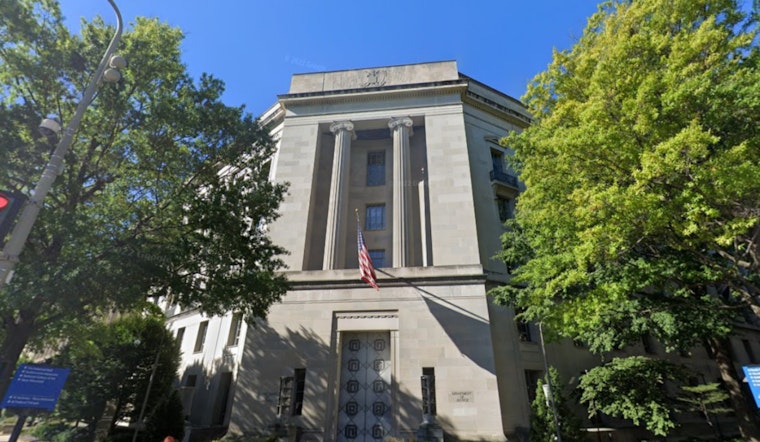
The Antioch Police Department says it has wrapped up a major rewrite of its policies ordered by the U.S. Department of Justice after a series of scandals that rattled the city. City officials and the independent monitor are calling it a key milestone, but they are just as quick to say the real test is next: training, public reporting and hard data that show whether anything actually changes on the street. Residents and advocates are even blunter, arguing that implementation, not paperwork, will decide whether trust can be rebuilt.
The overhaul grew out of a settlement the city reached with federal prosecutors on Jan. 3, 2025, after investigators uncovered discriminatory communications and other misconduct by officers, according to the U.S. Department of Justice. The agreement required Antioch to bring in an independent consultant, rewrite policies on nondiscriminatory policing and use of force, and submit to several years of monitoring to track compliance.
Former Martinez Police Chief Manjit Sappal, the consultant overseeing the work, told the City Council this week that federal monitors have signed off on the revised policies and that most of the writing was actually finished in November, according to The Mercury News. Sappal also said the department has reached substantial compliance in five of the seven sections and that the city and department have roughly two years to meet the agreement’s minimum requirements, a timetable laid out in council materials and monitoring updates.
What’s in the changes
The rewritten rules spell out that both officers and supervisors are explicitly responsible for preventing bias-based policing, tighten standards for vehicle pursuits and require specific monitoring of K-9 deployments and other uses of force, according to the San Francisco Chronicle. Coverage of the reforms has also highlighted K-9 bites and pursuit policy as central issues the monitor will keep an eye on, per Police1. The package further updates how complaints are taken, clarifies supervisor responsibilities and expands data collection so case outcomes can be tracked and reported publicly.
Community reaction
In Antioch, the response so far is cautious. Some residents and advocates say they welcome the new rules but are reserving judgment until they see how officers apply them. Councilmember Tamisha Torres-Walker told The Mercury News that many community members are cautiously optimistic, while the Antioch Police Officers Association has indicated support for the updated policies, according to local reporting. The Antioch Police Oversight Commission was credited with keeping community feedback at the center of the rewrite process, per local monitoring reports.
Legal and oversight next steps
Implementation and training on the new rules are scheduled for this year, followed by formal compliance reviews by the independent consultant and federal partners. The original DOJ settlement contemplates three to five years of monitoring and allows for early termination only if the city can show two years of sustained substantial compliance, language spelled out in the agreement and monitoring updates. That duration matters because the scandal led to criminal probes, convictions and a $4.6 million civil settlement tied to allegations of misconduct, as reported by KQED.
According to the consultant and city staff, the monitor will file public progress reports, and Sappal will brief the council on a regular schedule so residents can see whether the new rules change day-to-day outcomes. City materials and local coverage say the consultant agreed to quarterly briefings, and the monitor is expected to present periodic public reports to the council and community for as long as the agreement is in effect.
Finishing the policy rewrite is a significant step, but advocacy groups and some council members have warned that public trust will hinge on consistent discipline, clear data and genuinely independent oversight. Antioch’s next year of training and public disclosure will show whether the reforms stay locked in binders or actually reshape policing on the street.




