

























































Arizona is cracking down on the small blue Bitcoin kiosks that have quietly turned into a gold mine for phone scammers, after a fraud surge last year that drained an estimated $177 million from residents. A new state law sharply cuts how much people can pump into crypto ATMs each day and creates a way for some victims to get all their money back. Prosecutors and fraud investigators say the changes will likely slow scammers, not stop them. Once coins are pushed through overseas mixers and privacy tools, the money trail often goes ice-cold.
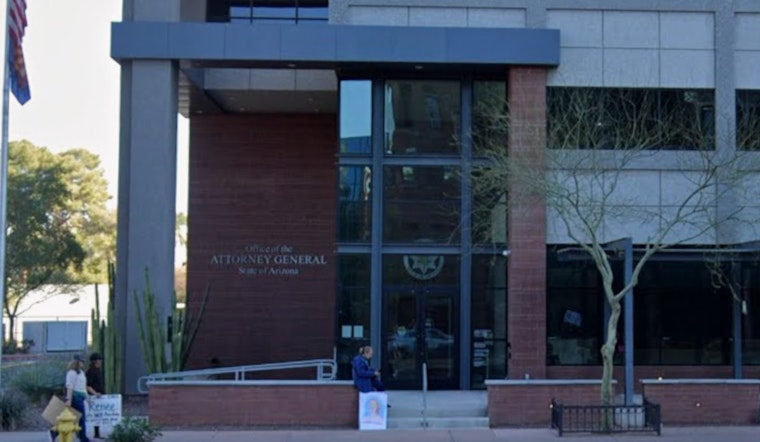
“Last year, Arizonans lost an astounding $177 million in their hard-earned savings to cryptocurrency scammers,” Arizona Attorney General Kris Mayes warned, according to the Arizona Attorney General’s Office. That office estimates there are about 600 crypto ATMs scattered across the state and says HB 2387 adds on-screen warnings, requires transaction receipts and forces operators to offer 24/7 customer support. Officials say the new caps are supposed to make it harder for a single phone call to wipe out a retirement account in one sitting.
What's in the law
HB 2387 spells out firm limits and reporting rules. New customers are capped at $2,000 per day, while existing customers can put in up to $10,500 per day. Operators must print or display receipts that include the transaction hash and the recipient wallet address, as laid out in the Arizona Legislature record of the bill. The law also makes new customers eligible for a full refund, including fees, if they report the fraud to both the kiosk operator and law enforcement within 30 days.
On the back end, HB 2387 requires operators to use blockchain-analytics tools, keep encrypted records and cooperate with the state. The Arizona Attorney General now has clear authority to enforce the rules, which means operators that look the other way could find themselves in legal trouble too.
Why detectives say limits won't be enough
Local detectives say the kiosks are just one piece of a much bigger scam machine. In body-cam video shown to investigators, a Phoenix woman keeps feeding $100 bills into a kiosk until officers step in, after she has already pushed in about $16,000. Detective Mike Finney says crypto scams have cost Peoria residents roughly $27 million in recent years.
The kiosks are not cheap to use either. Operators can take fees that climb as high as 20 percent of a deposit. In a separate case, Scottsdale police allege a man posing as an Uber driver stole about $223,000 from multiple victims. “It’s the Wild West,” Finney told FOX 10 Phoenix, describing how VoIP calls and quick QR-code transfers let scammers turn phones and crypto wallets into instant cash-outs.
Where the money goes next
Even when police can track a transaction to a specific wallet, the chase often stalls after funds hit mixing services or privacy tools that scramble the trail. Federal notices and data from the FBI’s Internet Crime Complaint Center show complaints tied to convertible virtual currency kiosks soared in 2024. The IC3 logged 10,956 kiosk complaints and about $246.7 million in losses, and FinCEN has warned that these machines are being exploited to route scam payments.
Blockchain-analytics firms such as TRM Labs report that mixers and cross-chain bridges layer on extra complexity. Investigators often find themselves racing the clock, trying to follow coins before they disappear into a maze of wallets, services and jurisdictions.
Legal implications
HB 2387 creates a civil-law route that could help get money back to some newly victimized users, at least when they act fast and meet the law’s conditions. Prosecutors caution that criminal cases still matter just as much, since they are the main way to dismantle the organized networks running the scams.
Local reporting notes that the suspect in the fake-Uber scheme pleaded not guilty and remains out on bond while awaiting a 2026 trial, a reminder that some recoveries will hinge on hard criminal evidence and court outcomes, according to police and media accounts.
What victims should do
If you think you or a family member was scammed at a crypto ATM, speed is everything. Under HB 2387, new customers must contact the kiosk operator and law enforcement, and provide a police report, within 30 days to qualify for a refund. Keep the receipt, write down the kiosk location and the wallet address, save call logs and text messages, and file a complaint with the Arizona Attorney General’s Office for guidance and assistance. The sooner you report, the better the odds that investigators or cooperating exchanges can freeze funds before they move too far.
HB 2387 marks a significant policy shift, one that should slow down how quickly scammers can empty a bank account through a kiosk. Still, investigators and consumer advocates say limits, warnings and receipts are only one part of the fix. For now, vigilance, fast reporting and tougher operator practices will decide whether stolen money has any real shot at coming back.



