

























































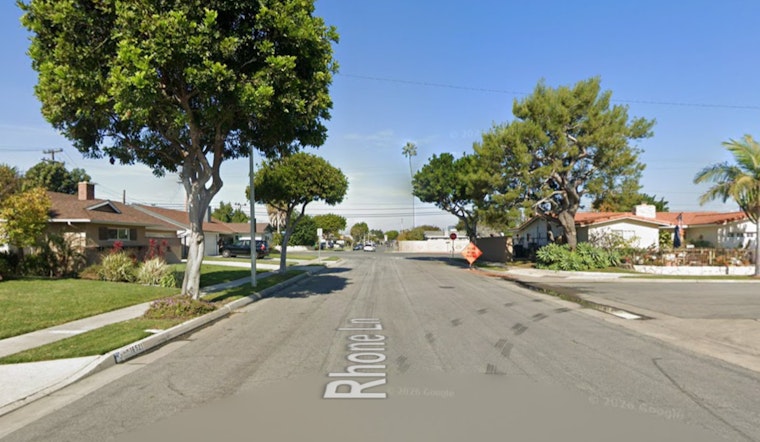
On a quiet stretch of Rhone Lane in Huntington Beach, a long‑buried sewer line has suddenly become the most powerful neighbor on the block.
Orange County sanitation officials have moved to reclaim portions of backyards along the street, ordering homeowners to tear out pools, decks, fences, and other improvements that sit on top of a decades‑old sewer easement. The abrupt notices have blindsided residents and kicked off a tense fight between the utility and the city over timing, access, and compensation.
More than two dozen homeowners received letters on Dec. 1 telling them that any structures within a 30‑foot sanitation easement must be cleared and that they had 60 days to sign a settlement, as reported by CBS Los Angeles. Several residents say features such as permitted pools, decking, and landscaping were approved by the city, and that the sudden enforcement felt like it came out of nowhere.
Why officials say they need access
The Orange County Sanitation District says the easement covers a 69‑inch wastewater trunk installed in 1959 that moves roughly 10 million gallons a day and is nearing the end of its useful life, and that crews need unobstructed access to inspect and maintain it, according to reporting by the Los Angeles Times. Officials told reporters that some of the district's maintenance vehicles are 8 to 10 feet wide and that limiting access increases safety and environmental risk.
The district’s own planning documents suggest this is not just a theoretical clean‑up. A publicly posted advertising schedule lists a project titled “Pipeline Utility Easement Clean Up in HB” (FE23‑07), with an estimated construction budget in the low millions and a scope that includes removing encroachments from 13 properties, resurfacing the easement, and constructing an eight‑foot block wall, according to the OC Sanitation District.
City and residents push back
Huntington Beach officials have asked for more breathing room. The City Council voted to request up to 120 additional days from the sanitation district so the city can negotiate with homeowners, while the district indicated it could offer only a shorter extension, the Los Angeles Times reported.
The city attorney told council members the easement language appears “sloppily worded” and warned that interpreting the document to allow full surface possession would make it look more like ownership than a standard utility easement. In other words, the city is questioning whether a right to access a pipe has quietly morphed into effective control over chunks of people’s yards.
For homeowners, the debate is less about legal theory and more about losing functional living space. Andrea Rizzo told CBS Los Angeles that she remodeled her property to accommodate her disabled son and added an above‑ground pool that the district now says encroaches on the easement, and that the tone of the district's notice felt heavy‑handed.
What happens next
Residents are now weighing their options. They can try to negotiate longer timelines or accept settlements that would allow the district to clear encroachments at its own expense, or they can seek legal remedies over how the title and easement are interpreted.
The sanitation district's bid calendar shows the Huntington Beach clean‑up moving into procurement windows in May–July 2025, which suggests contractors could be lined up unless the parties reach a compromise first, according to the OC Sanitation District.





