

























































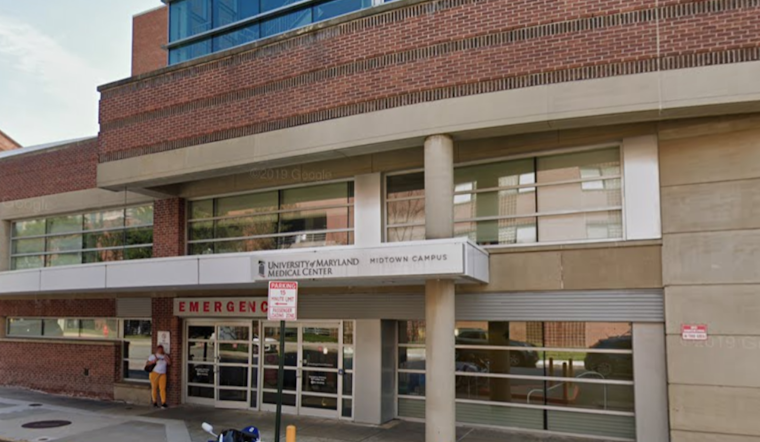
Colorectal cancer has quietly moved into the top spot as the deadliest cancer for Americans under 50, and Baltimore gastroenterologists say the city needs to catch up fast on screening and symptom awareness. Local doctors report more patients in their 20s, 30s, and 40s arriving with advanced disease, which makes timing everything. We spoke with Dr. Ekta Gupta, chief of gastroenterology at the University of Maryland Medical Center Midtown Campus, about what Baltimore residents should know now, not later.
Report details
A report from the American Cancer Society finds that overall colorectal cancer rates are declining in older adults but rising sharply in younger generations. The group projects about 108,860 new colon cancer cases and 49,990 rectal cancer cases in 2026 and estimates roughly 55,230 deaths from colorectal cancer this year. According to the report, colorectal cancer is now the most common cause of cancer-related death in people younger than 50.
Why younger people are being hit
Experts say the exact reasons behind the rise in younger patients are still murky, but they point to a mix of lifestyle changes, obesity, shifts in the gut microbiome, and gaps in screening uptake. As reported by AJMC, the increase is concentrated in cancers of the distal colon and rectum, and roughly half of colorectal cancer diagnoses in people under 50 occur between ages 45 and 49. Many of these early-onset cases are being found at more advanced stages, which has clinicians worried because later-stage cancers are harder to treat and survival drops as the stage at diagnosis progresses.
Local reaction
Fox Baltimore spoke with Dr. Gupta, who stressed that even subtle, persistent symptoms deserve attention rather than being brushed off as “just stress” or diet issues. She told the station that doctors are seeing younger patients arrive with advanced colorectal cancer and urged people not to ignore rectal bleeding, long-lasting changes in bowel habits, or unexplained weight loss. Her title and clinic affiliation are listed on her University of Maryland School of Medicine profile.
Screening and prevention
The U.S. Preventive Services Task Force recommends that people at average risk start routine colorectal cancer screening at age 45. Options include annual stool-based tests and colonoscopy at set intervals, an approach designed both to catch cancers that are appearing earlier in life and to remove precancerous growths before they turn dangerous. The University of Maryland Greenebaum Comprehensive Cancer Center offers local screening and referral resources for Baltimore residents and can connect patients to appropriate testing and follow-up care.
Symptoms to watch for
The Centers for Disease Control and Prevention lists several warning signs that should prompt a medical check-in: changes in bowel habits, blood in or on the stool, persistent abdominal pain and unexplained weight loss. Primary care clinicians can help sort out whether symptoms are likely benign or need further workup and can arrange appropriate screening or diagnostic testing. The CDC also outlines where eligible patients can find free or low-cost colorectal cancer screening programs.
What this means for Baltimore
Clinicians in Baltimore say the message is clear: reach more people aged 45 to 49 with outreach and screening, and move quickly when a test comes back positive, because early detection saves lives. A report by the American Cancer Society underscores the urgency of improving screening rates, speeding up diagnostic follow-up and investing in more research to understand why younger generations face a rising colorectal cancer risk.





