

























































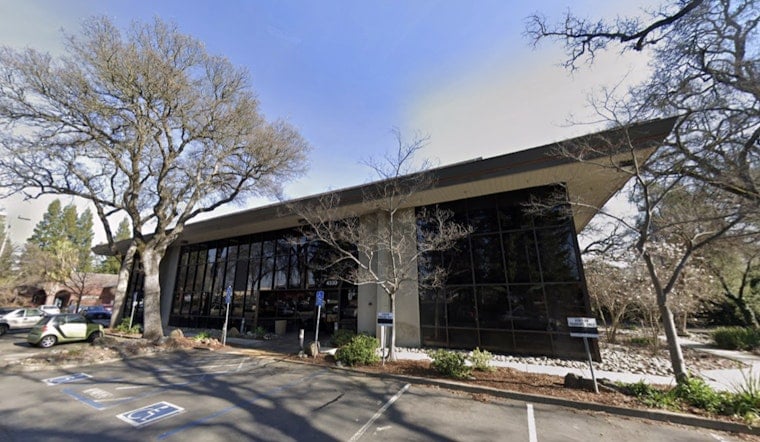
A Sacramento lender is asking a judge to wrest control of the property tied to the builder of EPIC Bible College’s campus, claiming the borrower fell behind on a $2.47 million loan. In a petition filed March 4 in Sacramento County Superior Court, the lender is pushing for a court-appointed receiver to take over the site at 4330 Auburn Boulevard while the legal battle plays out. The filing zeroes in on alleged arrears on two separate loans tied to the same borrower.
What the lawsuit says
According to the Sacramento Business Journal, the lender, identified in court papers as BMO, alleges the borrower defaulted on the $2.47 million loan and also fell behind on a second loan. In response, BMO is asking the court to appoint a receiver to safeguard its collateral. The complaint seeks authority for a receiver to take possession of the campus property, collect rents or other income, and manage or even sell assets if the court decides that is necessary to satisfy the debt.
The property and the school
The parcel at 4330 Auburn Boulevard is listed as the main campus of EPIC Bible College and Graduate School on EPIC’s website. The college has used that Auburn Boulevard address for years in public materials and in federal school listings, linking the institution directly to the property that BMO is now asking the court to place under a receiver’s control.
Regulatory context
Regulators have also had their eyes on the campus. Records from the California Bureau for Private Postsecondary Education show that the Auburn Boulevard site underwent a compliance inspection on January 22, 2026, and received a result of “Notice to Comply - Compliant” on the bureau's inspection page. Under the bureau’s guidance, a Notice to Comply requires a school to fix listed issues within 30 days or risk possible enforcement action, adding another layer of oversight to how the campus operates.
What a receiver could do
Receivership is not a casual tool. California courts have described a receiver as “an agent and officer of the court,” as a recent appellate opinion explained. A receiver is expected to act as a neutral fiduciary, preserving and managing property while the underlying lawsuit is sorted out. Appointment is typically reserved for situations where a court believes property could be lost, damaged, or dissipated without intervention. With court approval, a receiver can maintain the premises, collect income, and, if needed, sell assets to pay creditors. If the judge grants BMO’s request in this case, control of the Auburn Boulevard site could temporarily move from the borrower to a court-appointed manager while the dispute runs its course.
What's next
The lender wants the court to move quickly on its petition. After a lender files an ex parte application or a standard motion for receivership, judges typically schedule a hearing to confirm or challenge the appointment, giving the borrower a chance to push back. The Business Journals is monitoring the case filings. Any response from the borrower or from EPIC, along with the schedule the court sets, will determine if and when a receiver actually takes over the Auburn Boulevard property.





