

























































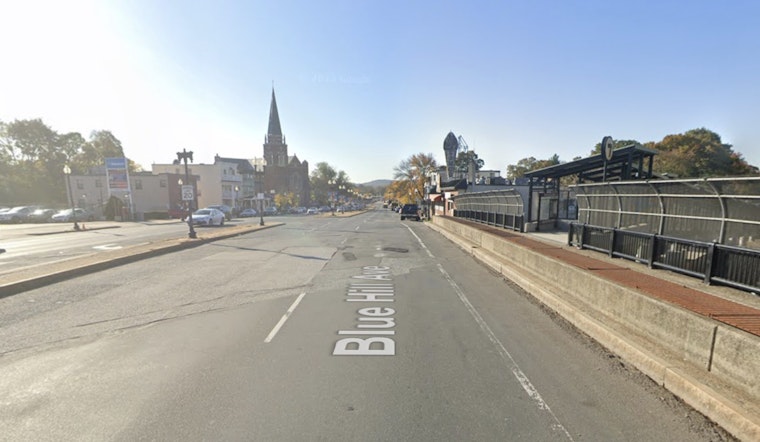
Blue Hill Avenue is suddenly the hottest fight in Boston politics, after the City Council narrowly sent a proposal for center-running bus lanes to its Planning, Development and Transportation Committee. The move sets up a bruising battle over whether shaving minutes off bus trips is worth giving up parking, changing traffic patterns and rethinking how people reach homes, shops and churches along the corridor.
Out on the avenue, the verdict is far from unanimous. One commuter told reporters, "I definitely think it's going to make traffic more congested on Blue Hill Ave," while another countered, "The middle is a bit better than on the side." Those on-the-street reactions were reported by WBZ NewsRadio.
Civil-rights showdown inside City Hall
Inside the council chamber, the split is as sharp as it is on the sidewalk. Councilor Miniard Culpepper pushed to send the matter to the Civil Rights, Racial Equity and Immigrant Advancement Committee, arguing that decades of what he described as "disparate public investment" along Blue Hill Avenue make the redesign a civil-rights issue, not just a traffic tweak.
Instead, councilors voted 7–6 to keep the measure with the Planning, Development and Transportation Committee, a narrow margin that exposed a philosophical divide on the body. Council President Liz Breadon and Councilor Sharon Durkan were among those who backed sticking with the technical committee review, according to a meeting summary from Universal Hub. The debate turns on which priority should come first: transit reliability or possible disparate impacts on a corridor that has long argued it is already carrying more than its fair share of city experiments.
Neighbors, merchants and a trust gap
At community forums, including a packed meeting at the William E. Carter Post in Mattapan, many small-business owners and residents told city officials they would rather see basics like better sidewalks, brighter lighting and stricter parking enforcement before a new center bus lane. The fear from several speakers was straightforward: moving buses to the middle of the street could make it harder for seniors, parents with kids and everyday customers to get to storefronts without feeling like they are playing a real-life game of Frogger.
Coverage by the Dorchester Reporter highlighted not just specific complaints, but a broader mistrust of the planning process that many attendees said goes back years. For some, the bus lane proposal landed as one more top-down idea in a neighborhood that has repeatedly asked for a different list of basics.
City’s pitch: faster buses and safer crossings
City transportation officials argue the redesign is overdue on a corridor that sees more than 37,000 bus riders on a typical weekday and regularly ranks as one of the system’s slowest and most crowded stretches. Their case is that a center-running lane, paired with new boarding islands and other upgrades, would make service more reliable and safer for both riders and people walking.
The project is backed by roughly $44 million in combined federal, MBTA and city funds. Design materials and a summary of community engagement are posted on Boston.gov, and earlier coverage of the city’s planning work traced how multi-year outreach shaped design options such as raised boarding platforms and new crosswalks, as reported in community feedback on Blue Hill Avenue’s future.
Title VI questions and how residents can push back
Some councilors are not just arguing policy; they are hinting at possible legal trouble. They have framed their objections in terms of potential violations of federal nondiscrimination law, suggesting the project could raise issues under Title VI if it is found to have disparate impacts on protected groups along Blue Hill Avenue.
Under that framework, residents or organizations who believe a federally funded project is discriminatory can file a Title VI complaint and ask for a formal review. Guidance on how to do that, including where and when to file with MassDOT or the Federal Transit Administration, is available from the Boston Region MPO.
What comes next on Blue Hill Avenue
With the proposal now in the Planning, Development and Transportation Committee, the next phase will feature technical hearings where city engineers, MBTA staff and community members are expected to dig into the gritty details: block-by-block layouts, bus stop and boarding island locations, parking changes and how deliveries and dropoffs will work in real life.
That committee review will also be the first formal forum to directly probe the civil-rights concerns that councilors and residents have raised, as noted in local meeting coverage by Universal Hub. It is where the debate could shift from broad principles to specific trade-offs on each block.
Whether the center lane ultimately gets built will come down to how the committee and, eventually, the full council balance rider speed, pedestrian safety and long-simmering equity concerns in neighborhoods that have been asking for better investment for decades. The fight illustrates how a seemingly technical decision about bus lanes can quickly morph into a proxy war over trust, money and who actually benefits when Boston remakes a major street.




