

























































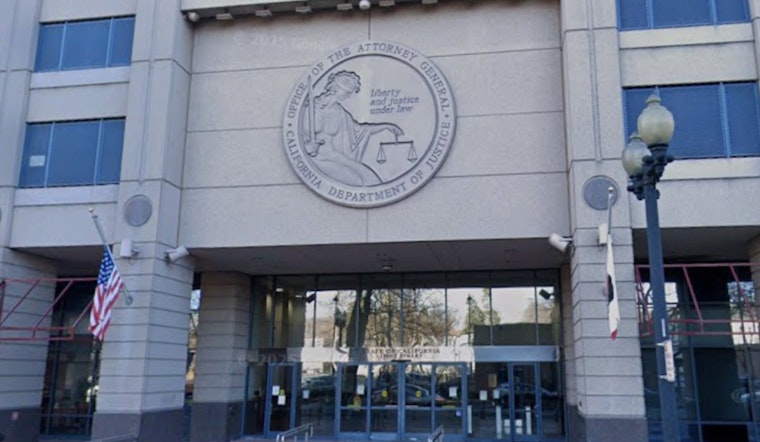
California Attorney General Rob Bonta said today he will hold a 10:30 AM briefing to roll out new resources aimed at helping courts and local agencies use gun violence restraining orders to head off potential mass shootings. The brief announcement on his social feed suggested the state is about to lean harder into guidance, training, and tools so that judges and law enforcement apply these "red flag" orders more consistently from county to county.
What Bonta Has Teased So Far
In a post on X, Rob Bonta urged Californians to "tune in" for the 10:30 AM update and pointed followers to his department’s media feed. In a press release from the California Department of Justice, his office said the briefing will unveil new resources focused on how to use and implement gun violence restraining orders to prevent mass shootings.
Join me at 10:30 AM for an important update on California’s efforts to prevent gun violence.
— Rob Bonta (@AGRobBonta) March 17, 2026
Tune in at: https://t.co/vK5v8mKOrq pic.twitter.com/usPdSA23LF
Those materials are expected to zero in on nuts-and-bolts problems that keep GVROs from being used more widely, including training, standard forms, and information sharing. Advocates and court staff have repeatedly flagged those basic process issues as some of the biggest obstacles to getting these orders off the page and into real-world practice.
How Gun Violence Restraining Orders Work
Gun violence restraining orders, California’s version of "red flag" or extreme risk protection orders, let certain petitioners ask a court to temporarily cut off a person’s access to firearms when that person is considered a danger to themselves or others. These are civil orders that focus on the guns, not a criminal conviction.
Research has found that extreme risk protection orders can prevent suicides and have also been used to step in when there are threats of mass violence, according to the Johns Hopkins Center for Gun Violence Solutions. A qualitative look at California’s own GVRO rollout reached a similar conclusion on the implementation side, finding that solid training, consistent forms, and clear procedures for actually giving up firearms are critical pieces of the puzzle, as detailed in PLOS ONE.
California’s Track Record So Far
Bonta’s Office of Gun Violence Prevention has already been churning out statewide reports and teaming up with local partners on task forces and grant-funded efforts designed to boost GVRO filings and track whether firearms are relinquished when an order is issued. The department’s 2024 report highlighted a sharp jump in GVRO use in some counties and pressed for coordinated local action across the state, according to the California Department of Justice.
On the ground, some regions have turned themselves into case studies. Local reporting has followed how San Diego and Santa Clara counties, in particular, have emerged as leaders in filing these orders, as detailed in Santa Clara County Leads.
What to Listen For at the Briefing
Advocates and court insiders will be looking for concrete products, not just talk. On their wish list: model forms that every courthouse can use, training modules tailored for judges and law enforcement, updated procedures for tracking whether firearms are actually surrendered, and any new grant money that could help counties put all of this into practice.
The Judicial Council has already been floating proposed updates to GVRO forms and rules meant to bring more consistency to hearings across the state, and those ideas could surface in whatever guidance Bonta unveils, according to recent proposals on the Judicial Council. If new funding or technical assistance is part of the package, the biggest shifts could come in counties that currently lag in serving protection orders and collecting firearms.
Legal Questions Still Hover
Any move to expand the use of ERPOs and GVROs is likely to draw renewed legal scrutiny. These tools have already been challenged in multiple forums and remain central to policy fights over due process and gun rights.
Researchers and legal observers point out that good implementation is not just a matter of safety outcomes. Timely service of orders, clear instructions for surrendering weapons, and strong data collection are also key to limiting legal risk for the agencies and jurisdictions that rely on these restraining orders.
The briefing is scheduled to start at 10:30 AM, and Bonta’s office typically posts a recording along with the underlying materials on the California Department of Justice press page once it wraps. This story will be updated after those resources and implementation details are released.





